
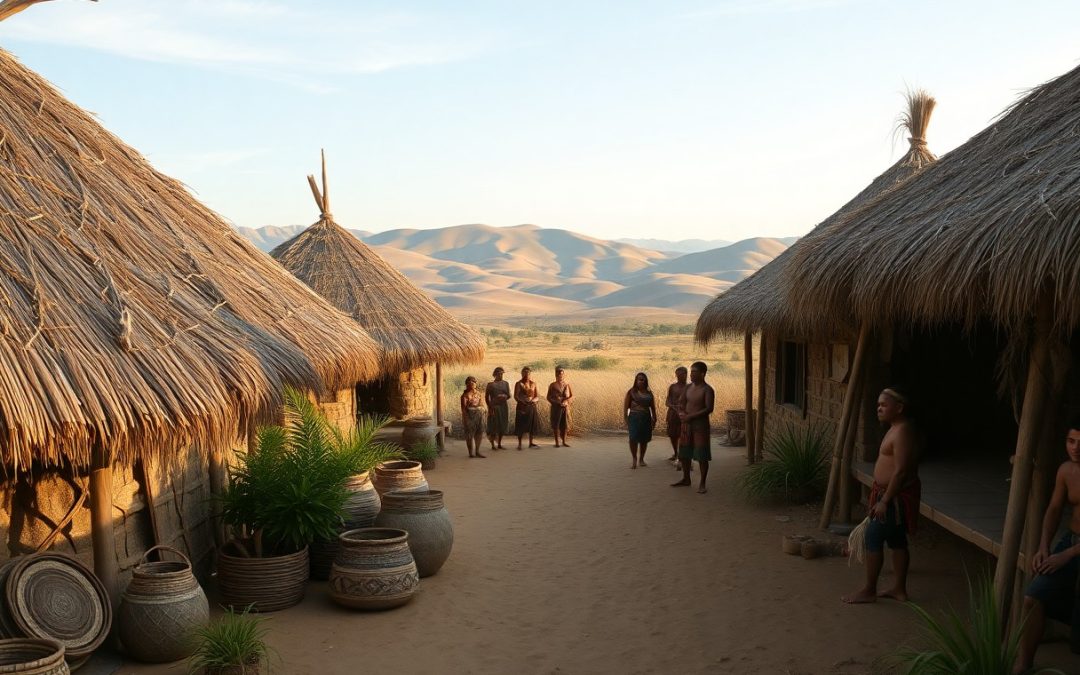
Just beneath the sun-soaked skies of Orange County lies a tapestry of vibrant history and diverse culture waiting for you to uncover. From its Indigenous roots to modern-day attractions, the county offers a unique blend of stories and experiences that shape your understanding of this dynamic region. Dive into the rich heritage, art, and traditions that define Orange County and discover how each element contributes to its identity. Join us on this journey through time and culture to enhance your appreciation of the area you call home.
The Indigenous Peoples of Orange County
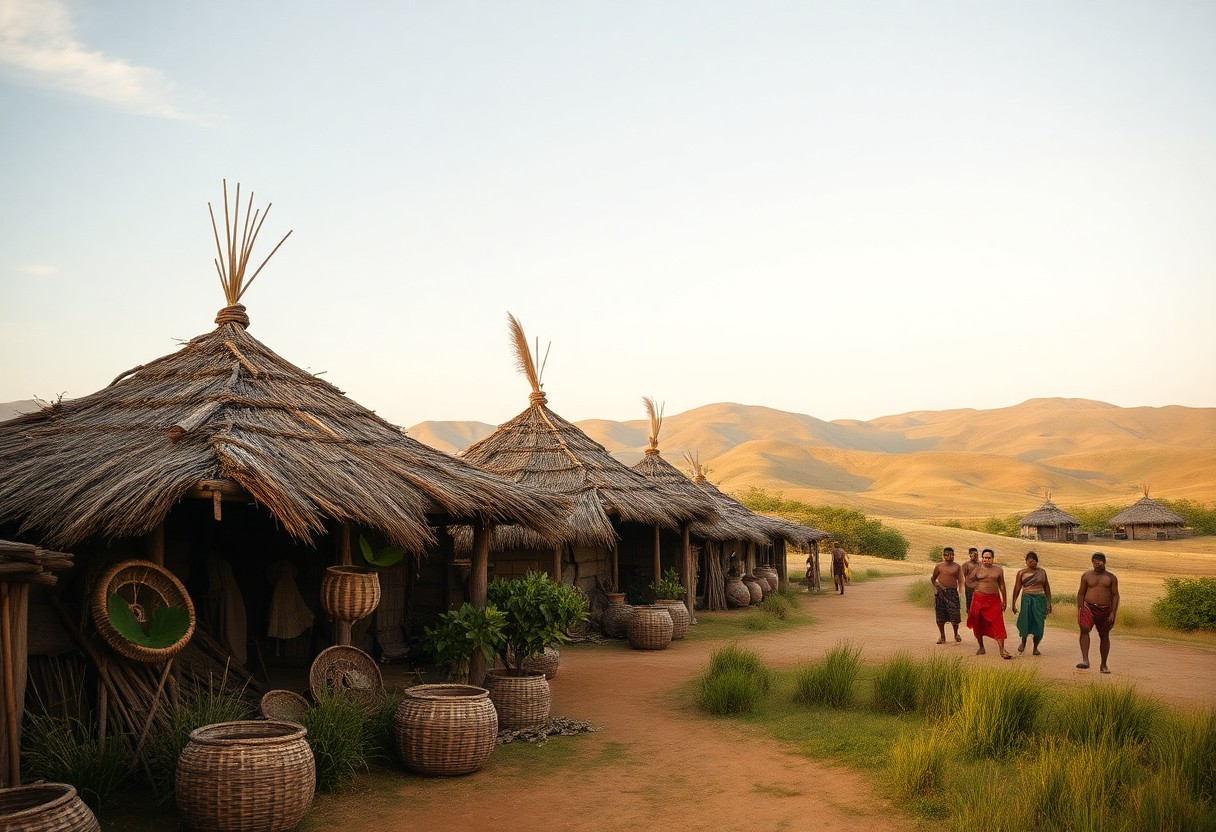
Before European settlers arrived, the land that is now Orange County was inhabited by diverse indigenous groups, primarily the Tongva and Juaneño tribes. These communities thrived for thousands of years, utilizing the abundant natural resources for sustenance and cultural practices. Their deep connection to the land is reflected in their traditions and should be acknowledged as a foundational aspect of the area’s history.
The Tongva and Juaneño Tribes
The Tongva, also known as the Gabrielino, occupied the Los Angeles Basin and parts of Orange County, while the Juaneño lived along the southern coast. Both tribes were semi-nomadic, relying on marine and terrestrial resources, including fish, shellfish, and native plants. The tribes engaged in trade with nearby communities, showcasing their extensive networks and interactions with other indigenous groups.
Cultural Practices and Traditions
Your exploration of the indigenous cultures reveals unique practices that illustrate their rich heritage. Both tribes engaged in ceremonies that honored their natural surroundings, including harvesting rituals and healing practices. They created intricate tools and woven baskets, passed down through generations, using native materials. Storytelling played an necessary role in preserving their history, with mythologies that explain their connection to the land and each other.
Focusing on the cultural practices and traditions, you’ll discover how the Tongva and Juaneño expressed their identities through art, music, and dance. Rituals often celebrated the changing seasons and the cycle of life, reinforcing community bonds and respect for nature. For example, the Tongva’s annual acorn harvest involved gatherings that combined feasting, singing, and sharing stories. These traditions not only connected them to their ancestors but also instilled values of stewardship and communal responsibility that are still relevant today.
Spanish and Mexican Influence
The arrival of Spanish and Mexican settlers in Orange County significantly shaped its culture, architecture, and social dynamics. Beginning in the late 18th century, the Spanish focused on exploration and religious missions, leaving a legacy that would echo through generations. As you explore the region, remnants of this influence can be seen in place names, historic buildings, and the blending of traditions that continue to resonate in Orange County today.
The Arrival of European Settlers
In 1769, Spanish explorers led by Gaspar de Portolá became the first Europeans to traverse Orange County, marking the beginning of profound changes in the region. They established connections with Native Americans and paved the way for the establishment of missions, presidios, and settlements. This interaction set the stage for a cultural melange that defined the area’s identity.
The California Mission System
The California Mission System, established by Spanish Franciscan monks, aimed to convert Indigenous peoples to Christianity and cultivate agriculture. By 1823, there were 21 missions dotting the California coast, including Mission San Juan Capistrano in Orange County. These missions introduced European agricultural practices, livestock, and crafts, drastically altering the landscape and the lives of the original inhabitants.
Mission San Juan Capistrano, built in 1776, became a pivotal part of Orange County’s history. The mission served as a religious center and community hub, showcasing a unique blend of Spanish architecture and indigenous culture. You might find its beautiful gardens, iconic bell tower, and historic adobe structures captivating, as they reflect the rich heritage and enduring spirit of the area’s early settlers, influencing local agriculture and education for decades to come.
The Development of Agriculture
You can trace the roots of Orange County’s agricultural development back to its fertile landscapes, which drew settlers eager to cultivate the land. The region transitioned from wild terrain to productive farms, with crops like beans, corn, and later, fruits and vegetables becoming staples. The transformation sparked economic growth and laid the groundwork for Orange County’s agricultural identity.
Citrus Industry Boom
The citrus industry surged in the late 19th century, fundamentally reshaping your local landscape and economy. Varieties like navel oranges flourished, attracting farmers to harness the rich soil and favorable climate. By the early 1900s, Orange County became a leading producer, with massive groves that painted lush mile-wide expanses of the region in vibrant colors.
Impact on Local Economy
Your local economy experienced a significant boost as the citrus industry flourished. Increased agricultural activities created jobs and local businesses thrived, catering to the growing demand for supplies and services. The industry attracted workers from various backgrounds, contributing to a diverse community and fostering a spirit of cooperation and innovation.
The Rise of Tourism
The emergence of tourism in Orange County reshaped its identity, turning it into a sought-after destination. As suburban developments expanded, so did the appeal of the area’s natural beauty and recreational offerings. With its stunning beaches, mild climate, and burgeoning entertainment scene, tourism became a vital component of the local economy, attracting millions of visitors each year and transforming towns like Anaheim and Santa Ana.
The Birth of Disneyland
1965 marked a turning point in Orange County’s history with the opening of Disneyland, a project envisioned by Walt Disney. This iconic theme park was the first of its kind, introducing innovative attractions and entertainment experiences that drew families from all over the world. After attracting over 500,000 visitors in its first year alone, Disneyland not only set the stage for a thriving tourism industry but also established Orange County as a global travel hub.
Attractions and Landmarks
In addition to Disneyland, Orange County boasts numerous attractions and landmarks that contribute to its allure. Iconic sites like Knott’s Berry Farm, the Mission San Juan Capistrano, and the stunning beaches of Laguna and Newport offer diverse experiences. You can explore cultural venues like the Bowers Museum and the Orange County Museum of Art, showcasing local history and contemporary works. The blend of entertainment, culture, and natural beauty solidifies Orange County’s status as a premier destination.
Cultural Institutions and Museums
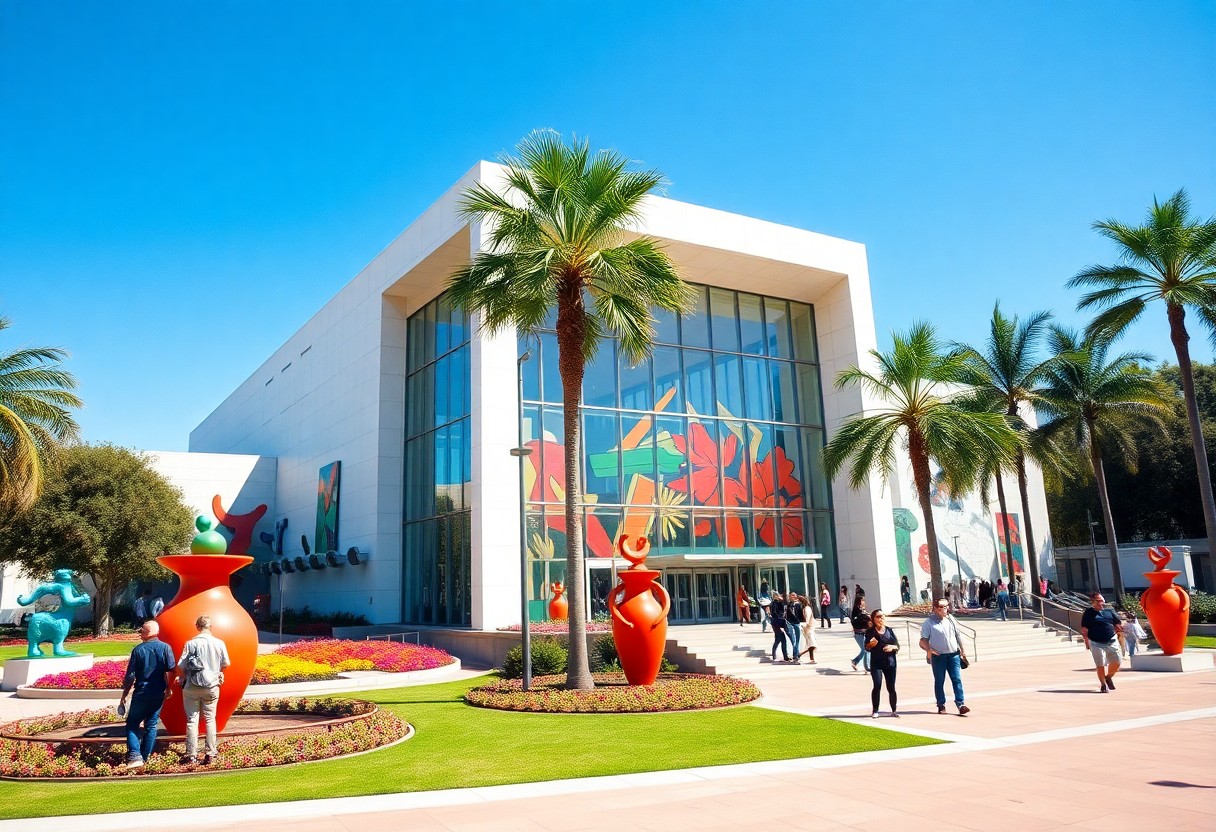
In Orange County, cultural institutions and museums serve as windows into its rich history and vibrant arts scene. These venues not only preserve the region’s heritage but also foster appreciation for diverse artistic expressions. You’ll find a variety of museums that highlight everything from local history to contemporary art, each offering unique perspectives that deepen your understanding of the area.
The Bowers Museum
The Bowers Museum is a cornerstone of cultural heritage in Orange County, renowned for its impressive collections of native California and world art. You can explore its diverse exhibitions, which often feature interactive elements, making it accessible and engaging for visitors of all ages. The museum also offers educational programs that connect you to the themes presented in its galleries.
The Orange County Museum of Art
The Orange County Museum of Art stands out for its commitment to contemporary artwork and serves as a vibrant hub of creativity. With a rotating schedule of exhibitions, you’ll encounter works by both established and emerging artists, reflecting current trends and dialogues in the art world. Additionally, the museum frequently hosts events that encourage community interaction and artistic exploration.
Established in 1962, the Orange County Museum of Art has evolved to become a significant player in the Southern California art scene. With a collection that spans over 3,500 works, it emphasizes pieces from the 20th and 21st centuries, showcasing notable artists such as Ed Ruscha and Wayne Thiebaud. You might enjoy special events like the annual “OCMA in the Park,” which welcomes visitors to explore art in an outdoor setting, creating a unique connection between culture and nature in this vibrant community.
Celebrating Diversity
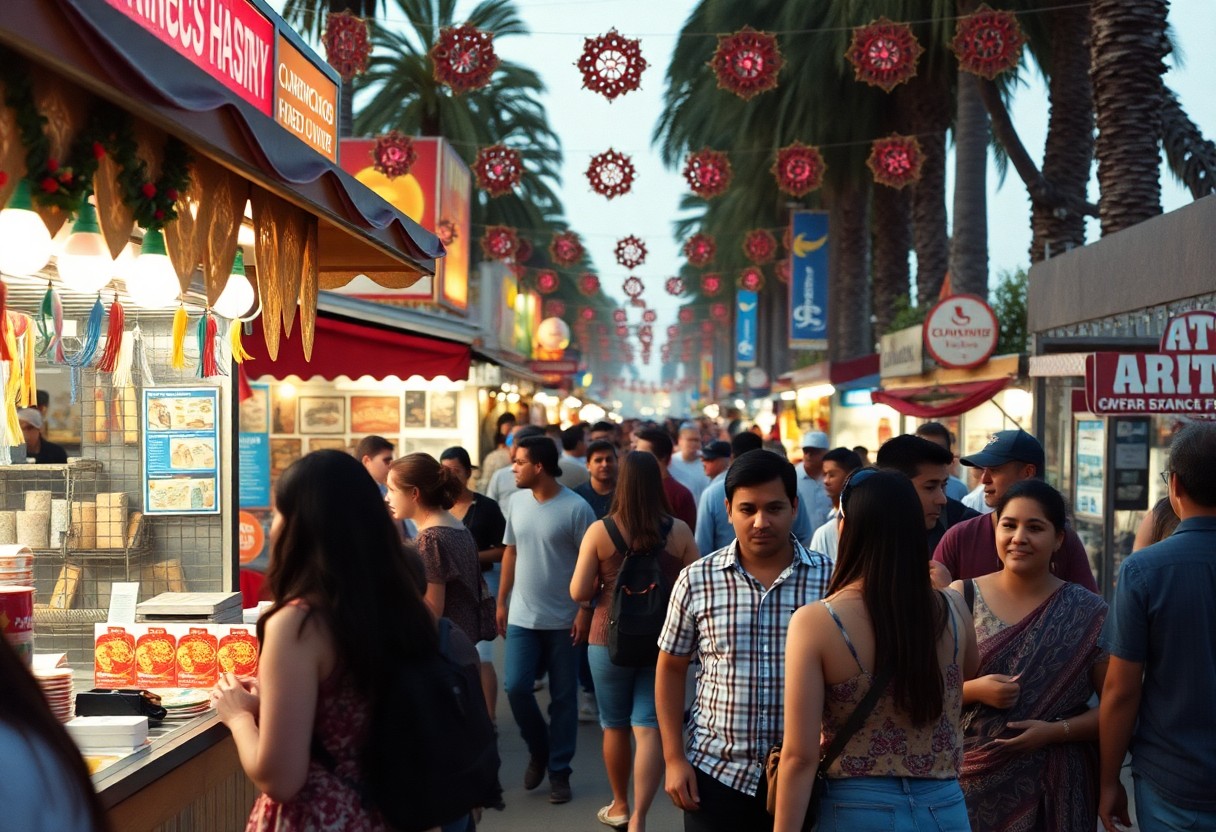
Orange County thrives on its cultural diversity, fostering a unique community where various traditions flourish. People from different backgrounds come together, creating a mosaic of experiences that enriches the area. This cultural tapestry is visible in art, music, and communal celebrations, showcasing the contributions of its residents and inviting you to participate in a shared journey of understanding and appreciation.
Festivals and Community Events
Your calendar will be filled with vibrant festivals and community events that celebrate the rich tapestry of cultures in Orange County. Events like the OC Pride Parade and Dia de los Muertos Festival not only honor individual cultures but also encourage unity, allowing you to engage with the community while enjoying food, music, and performances that reflect diverse heritages.
Culinary Heritage of Orange County
The culinary heritage of Orange County is a delicious journey through its diverse communities, reflecting a mix of flavors and traditions. From Korean BBQ to Mexican tacos, you’ll find an array of tastes that celebrate the region’s multicultural landscape. Local eateries offer authentic dishes that tell the stories of the people who have settled here.
Exploring the culinary scene in Orange County reveals how immigration and cultural exchange have shaped the local palate. With over 30 distinct ethnic groups represented, you can savor influences from Asia, Latin America, and beyond. Food festivals and farmers’ markets also highlight seasonal and local ingredients, enabling chefs to create fusion dishes that reflect both tradition and innovation. Dive into these flavors, and you will truly savor the cultural richness of Orange County.
Summing up
To wrap up, exploring Orange County’s rich history and culture offers you a unique glimpse into the diverse influences that have shaped the region. From its Indigenous heritage to the vibrant arts scene and historic landmarks, you encounter stories that reflect the evolution of this dynamic area. Engaging with local museums, cultural events, and community activities enhances your understanding and appreciation of Orange County, allowing you to connect with both its past and present. Embrace the opportunity to discover the layers of history that make this county truly distinctive.