
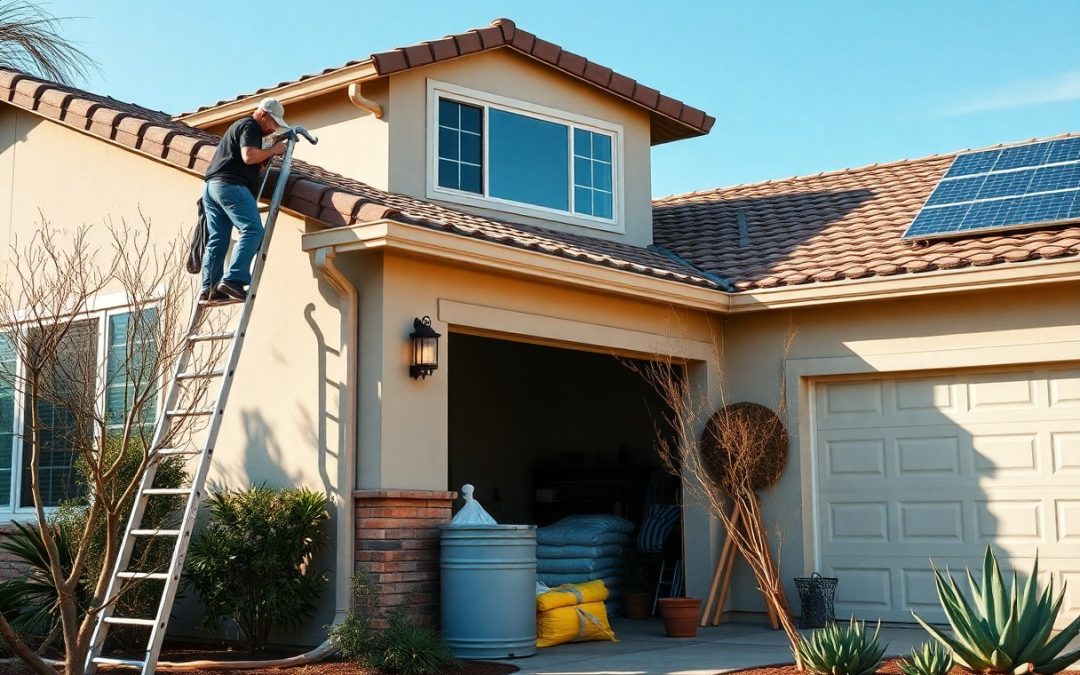
Home preparation for California’s varied climate starts with understanding regional extremes, from coastal fog to inland heat and wildfire risks. You need practical upgrades like weather-resistant siding, proper insulation, and ember-resistant vents. Simple actions such as sealing windows, maintaining gutters, and using drought-tolerant landscaping protect your property year-round.

Evaluating Regional Climate Factors
- Coastal areas face salt air and fog
- Inland valleys endure extreme heat
- Mountain zones deal with snow and freezing temps
- Wildfire risk varies by vegetation and wind patterns
This shapes how you protect and maintain your home year-round.
Identifying local weather risks and microclimates
You may notice your neighborhood gets colder than the next hill over or burns hotter in summer. These small-scale shifts define your microclimate. Coastal fog might spare you triple-digit heat, but increase moisture damage risks. This determines which materials and systems will last longest on your property.
How to assess home vulnerability to environmental changes
Your roof’s age affects fire resistance, especially near dry brush. Windows matter when Santa Ana winds hit. Poor drainage invites trouble during heavy rains. This tells you where upgrades will make the biggest difference in safety and efficiency.
Start by inspecting your home’s exposure to sun, wind, and runoff. Check for cracks in siding, gaps near the foundation, and overhanging branches. Older homes may lack ember-resistant vents or proper insulation. Walk around your property after a storm to spot weaknesses. Knowing your zone’s fire, flood, or mudslide rating helps prioritize fixes that align with real local threats.

Implementing Wildfire Safety and Defensible Space
Creating defensible space around your home gives firefighters a better chance to save your property during a wildfire. Clear flammable materials within 100 feet of your house, especially near windows and decks. Maintain this zone year-round, adjusting for seasonal fire risks.
Tips for creating effective vegetation buffer zones
- Space trees at least 10 feet apart to reduce flame travel
- Keep shrubs low and separated from tree canopies
- Use gravel or rock mulch instead of wood chips
- Trim branches that overhang the roof or chimney
Positioning plants strategically slows fire spread. Recognizing that even green vegetation can burn under extreme conditions helps you make smarter landscape choices.
How to harden home exteriors against ember ignition
Embers can enter homes through small openings and ignite interiors. Install 1/8-inch metal mesh over vents, seal gaps in siding, and use tempered glass in windows. Non-combustible siding and roofing materials also reduce vulnerability.
Ember exposure often precedes the main fire front, making exterior hardening a key defense. Closed, latched windows resist ember intrusion, while enclosed eaves and soffits prevent sparks from lodging in rafters. Metal screens on attic and foundation vents block burning debris. Choosing fiber-cement siding or stucco over wood reduces ignition risk. Even small details-like using ignition-resistant deck materials and removing leaves from gutters-can determine whether your home survives a wildfire event.
Managing Extreme Heat and Water Scarcity
California’s prolonged heat waves and limited water supply demand smart, proactive home strategies. You’ll need to adapt both your outdoor spaces and indoor systems to handle rising temperatures and reduced water availability without sacrificing comfort or sustainability. Making thoughtful upgrades now can reduce strain on resources and lower utility costs over time.
Factors for selecting drought-tolerant landscaping
- Choose native plants adapted to local climate conditions
- Group plants with similar water needs together
- Use mulch to retain soil moisture and reduce evaporation
- Incorporate permeable hardscaping to minimize runoff
Matching your garden’s design to regional rainfall patterns ensures long-term success. This supports healthier growth while significantly cutting outdoor water use.
How to improve indoor cooling and energy efficiency
Sealing air leaks around windows and doors stops hot air from entering your home. Installing reflective window films and using ceiling fans helps maintain cooler indoor temperatures. This reduces reliance on air conditioning during peak heat.
Upgrading to energy-efficient windows with low-emissivity (Low-E) coatings can block solar heat while letting in natural light. Proper attic insulation and radiant barriers also prevent heat from transferring into living spaces. You’ll stay more comfortable and cut cooling costs, especially during extended summer highs.

Protecting Against Atmospheric Rivers and Flooding
Heavy winter storms fueled by atmospheric rivers can overwhelm homes not built for sudden water surges. You’re in a high-risk zone if your property lies near low-lying areas or older drainage corridors. Take action before the rainy season starts to reduce flood damage risks and keep your home dry when storms hit.
Essential tips for clearing drainage systems and gutters
Leaves, twigs, and debris clog gutters and downspouts, increasing overflow risks during heavy rain.
- Clean gutters at least twice each fall
- Extend downspouts at least 5 feet from the foundation
- Inspect drainage paths for blockages monthly
Any standing water near your home after a storm means something’s blocked-fix it fast.
How to seal entry points and manage perimeter runoff
Water often enters homes through small cracks near foundations or around utility lines. Sealing these spots stops moisture before it starts. Directing runoff away from your house lowers pressure on walls and floors during downpours. You can prevent most seepage with simple, proactive steps.
Start by inspecting the exterior foundation line for hairline cracks or gaps around pipes and cables-use waterproof caulk or hydraulic cement to close them. Install or upgrade French drains if water pools near walls after rain. Grade soil to slope away from the house at a 6-inch drop over 10 feet. These measures work together to redirect flow and maintain structural integrity during prolonged storms.
Securing Property Against High Winds and Storms
California’s coastal and inland regions can experience sudden windstorms and intense weather shifts. You need to proactively safeguard your home to prevent damage. Reinforce vulnerable areas, secure outdoor items, and maintain your landscape to reduce risks during high winds.
Factors for reinforcing structural weak points
- Inspect roof decking and flashing for loose or damaged sections
- Upgrade garage doors with bracing kits to resist pressure
- Seal gaps around windows and doors with weather-resistant caulk
- Anchor your home’s frame to the foundation with retrofit connectors
These improvements strengthen your home’s resistance to wind uplift and lateral forces. Though retrofitting takes effort, the protection it offers during storms is well worth it.
How to stabilize outdoor equipment and tree canopies
Secure sheds, AC units, and patio furniture with ground anchors or storm straps. Trim overhanging branches and remove dead wood to reduce falling hazards. You lower the risk of wind-borne debris and property damage by taking these steps. Though often overlooked, yard maintenance plays a key role in storm readiness.
Start by fastening large outdoor items to concrete pads using hurricane straps or bolt-down kits-this prevents them from becoming projectiles in strong gusts. For trees, prune limbs that hang over roofs or power lines, and consider professional thinning for dense canopies. Proper spacing and trimming improve airflow while reducing wind resistance, keeping your property safer when storms hit.
Developing a Year-Round Maintenance Schedule
Consistency protects your home from California’s shifting weather patterns. Plan quarterly check-ins to inspect roofing, gutters, and exterior seals. Schedule HVAC servicing before peak seasons to ensure efficiency. Keep a written or digital log to track tasks and identify recurring issues early. This routine prevents small problems from becoming costly repairs.
Tips for conducting seasonal home integrity audits
- Check for cracks in the foundation and exterior walls
- Inspect roof shingles and flashing for wear or damage
- Test weatherstripping around doors and windows
- Clear debris from gutters and downspouts
- Examine outdoor plumbing for leaks or freeze damage
Seasonal audits reveal hidden vulnerabilities before they worsen. Knowing what to fix-and when-keeps your home resilient through drought, heat, and rain.
How to assemble a weather-ready emergency resource kit
Your safety depends on being prepared when disasters strike. Gather flashlights, batteries, first aid supplies, water, non-perishable food, and a battery-powered radio. Include copies of important documents and emergency contact lists. Store everything in a durable, easily accessible container.
Every California household should have a tailored emergency kit ready at all times. Include at least three days’ worth of water (one gallon per person per day) and food that doesn’t require cooking. Add N95 masks for wildfire smoke, a multi-tool, and local maps in case GPS fails. Rotate perishable items every six months to keep supplies fresh and functional when needed most.
Summing up
Presently, you can protect your home from California’s varied climate by reinforcing insulation, installing energy-efficient windows, and using drought-tolerant landscaping. Sealing air leaks and upgrading cooling systems help maintain indoor comfort during heatwaves. Proper roof maintenance and ember-resistant vents defend against wildfire risks. These steps ensure your home stays resilient, efficient, and safe year-round.