
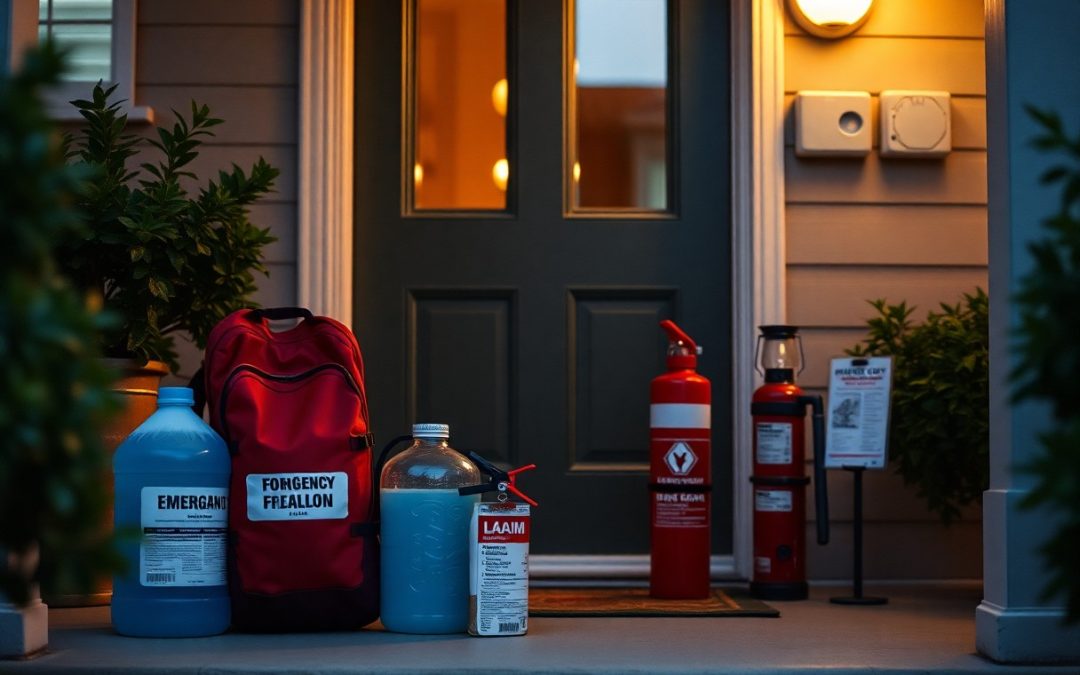
You live in a region where wildfires, earthquakes, and coastal hazards can arise with little warning. Being informed and ready helps protect your family and property. This guide shows you practical steps to prepare, respond, and stay safe in everyday and emergency situations across Orange County.

Developing a Comprehensive Home Emergency Plan
Every household in Orange County should have a clear, written emergency plan that accounts for local risks like wildfires, earthquakes, and power outages. Outline roles for each family member, identify safe zones in your home, and practice responses to different scenarios. Assume that
- your primary escape route may be blocked
- communication networks could fail
- you may need to shelter in place for 72 hours
How to establish evacuation routes tailored to Orange County terrain
Orange County’s mix of canyons, coastal zones, and urban corridors demands smart route planning. Map at least two evacuation paths from your home, considering hillside access, freeway chokepoints, and neighborhood exit roads. Assume that
- traffic congestion will delay standard routes
- some canyon roads may close during fire season
- coastal areas could face sudden flooding
Essential factors for creating a family communication protocol
Your family needs a reliable way to connect when cell service drops or networks overload. Designate an out-of-area contact, share emergency numbers, and agree on check-in times. Assume that
- local networks may be down during disasters
- children might be at school or with caregivers
- you may not be able to return home immediately
Effective communication starts with simplicity and redundancy. Choose multiple ways to reach each other-text messages often go through when calls fail, and apps like WhatsApp or emergency alert systems can help. Make sure every family member knows the plan, including pets and elderly relatives. Assume that
- your first message may not get through
- children may panic without clear instructions
- plans must work even if you’re separated

Safeguarding Your Property Against Regional Hazards
Orange County’s unique environment brings beauty and risk in equal measure. You face seasonal wildfire threats, occasional earthquakes, and intense coastal weather. Protecting your home means understanding these regional dangers and taking practical, proactive steps to reduce vulnerabilities before emergencies strike.
Tips for wildfire-resistant landscaping and home hardening
Choose fire-resistant plants and maintain defensible space around your home. Clear dry vegetation, use gravel zones near structures, and replace flammable mulch. Install ember-resistant vents and seal gaps in roofs and siding. Perceiving small vulnerabilities now can prevent major damage during wildfire season.
- Use non-combustible materials within 5 feet of your home’s exterior
- Trim trees regularly so branches are at least 10 feet from other trees
- Install double-paned or tempered windows to resist heat
- Keep gutters free of leaves and debris year-round
- Store firewood and propane tanks at least 30 feet from structures
How to secure heavy furniture and appliances for earthquake mitigation
Anchoring bookshelves, TVs, and water heaters reduces injury risks during shaking. Use flexible straps, brackets, or museum putty to fasten items to wall studs. Securing these objects takes minutes but provides lasting protection when the ground moves unexpectedly.
Earthquake safety starts where you live, not just in emergency kits. A falling bookshelf or tipped refrigerator can block exits or cause serious harm. Most hardware stores carry affordable earthquake safety kits with straps and hardware designed for this purpose. Install them correctly by following manufacturer instructions and anchoring into wall studs-not just drywall-for maximum stability.
Building a Professional-Grade Disaster Supply Kit
Every household in Orange County should maintain a disaster supply kit designed to sustain all members for at least 72 hours. This isn’t just about convenience-it’s about resilience when services are disrupted. Your kit must go beyond basics to include items tailored to your family’s medical, dietary, and communication needs.
Critical factors for long-term water and non-perishable food storage
Water and food form the foundation of any reliable emergency supply. Store one gallon of water per person per day, rotating every six months. Choose shelf-stable foods that require no cooking or refrigeration.
- Use food-grade containers and label contents with dates
- Keep supplies in a cool, dark, dry place
- Avoid areas prone to temperature swings like garages
Though often overlooked, proper packaging and rotation prevent spoilage. Thou must inspect stores every three months to ensure freshness and usability.
How to assemble a mobile “go-bag” for rapid suburban departures
When evacuation orders come with little warning, your go-bag ensures you leave prepared. Pack vitals in a durable, lightweight backpack that’s easy to grab. Include identification, medications, cash, a flashlight, and a portable charger. Focus on mobility and access-this bag supports immediate movement without delay.
Start by selecting a comfortable backpack with multiple compartments for organization. Place critical documents in a waterproof pouch and include a small first aid kit, N95 masks, and a whistle. Add a change of clothes, sturdy shoes, and high-calorie snacks. Keep the bag near an exit or by your bedroom door, and review contents every season to replace expired items. Your go-bag is not a one-time project-it evolves with your household’s needs.
Enhancing Neighborhood Security and Connectivity
Stronger communities begin with trust and communication among neighbors. Building relationships with those nearby increases awareness and deters crime. You can help create a safer environment by engaging in local efforts that promote visibility and cooperation.
Tips for participating in local Neighborhood Watch programs
- Attend monthly meetings to stay informed
- Report suspicious activity to coordinators
- Display program signage to show community involvement
Perceiving your street as a shared responsibility encourages consistent vigilance and collective action.
How to leverage Orange County alert systems and digital community boards
You receive timely updates during emergencies by signing up for OC Alert. These notifications include evacuation orders, crime alerts, and weather disruptions. Local online forums and Nextdoor groups also share real-time neighborhood happenings, helping you stay aware without constant effort.
Signing up for Orange County’s official emergency alert system ensures you get verified information directly from law enforcement and emergency services. Pair this with active participation on digital community boards where neighbors post about power outages, missing pets, or unfamiliar vehicles. You gain layered awareness that keeps you informed and ready.
Implementing Personal Safety Practices in Public Spaces
Staying alert in crowded areas helps you respond quickly to potential risks. Keep your belongings secure, avoid distractions like excessive phone use, and trust your instincts if something feels off. You have the power to influence your safety through simple, consistent actions wherever you go.
Factors influencing situational awareness in high-traffic commercial areas
Crowd density, noise levels, and lighting can all impact how aware you are of your surroundings. Limited visibility or sudden movements in busy plazas may divert attention.
- Heavy foot traffic can obscure potential threats
- Background noise may mask warning sounds
- Poor lighting reduces visibility at night
Any lapse in awareness increases your vulnerability-stay observant and minimize distractions.
How to utilize smartphone safety features and local emergency apps
Your phone can act as a real-time safety tool when used wisely. Enable location sharing with trusted contacts during late outings and program emergency numbers into quick-access menus. Orange County’s AlertOC app delivers timely updates during emergencies.
Set up built-in features like emergency SOS, which automatically calls 911 and shares your location after a few seconds of holding the power button. Many smartphones also allow you to discreetly activate alerts using voice commands or rapid button presses. Save local non-emergency police lines and shelter locations in your notes for fast access. Any small step you take now can make a difference when seconds count.
Managing Financial and Document Security
Tips for digitizing and protecting vital legal and medical records
Secure digital copies of birth certificates, insurance policies, and medical histories in encrypted cloud storage. Use strong, unique passwords and enable two-factor authentication. Share access only with trusted family members.
- Scan documents in PDF format to preserve integrity
- Label files clearly for quick retrieval
- Update records annually
Perceiving digital safety as an ongoing task ensures your information stays protected during emergencies.
How to ensure financial liquidity during regional power outages
Keep a portion of savings in cash stored in a secure, accessible location. ATMs and card readers often fail during extended outages. Having physical currency allows you to buy importants when electronic systems are down. This simple step maintains your ability to respond quickly when infrastructure is compromised.
Regional power failures can last days, disrupting banking networks and payment platforms. Without cash, you may be unable to purchase fuel, food, or emergency supplies. Aim to keep at least $200-$300 in small bills per household member. Rotate cash periodically to avoid worn or outdated bills, and consider a fireproof home safe for storage. Being prepared financially means staying mobile and independent when systems go offline.
To wrap up
Summing up, you stay safe in Orange County by knowing local emergency plans, signing up for alerts, and keeping supplies ready. You protect your household by practicing evacuation routes and staying informed about wildfires, earthquakes, and floods. Your awareness and preparation make the difference when seconds count.