
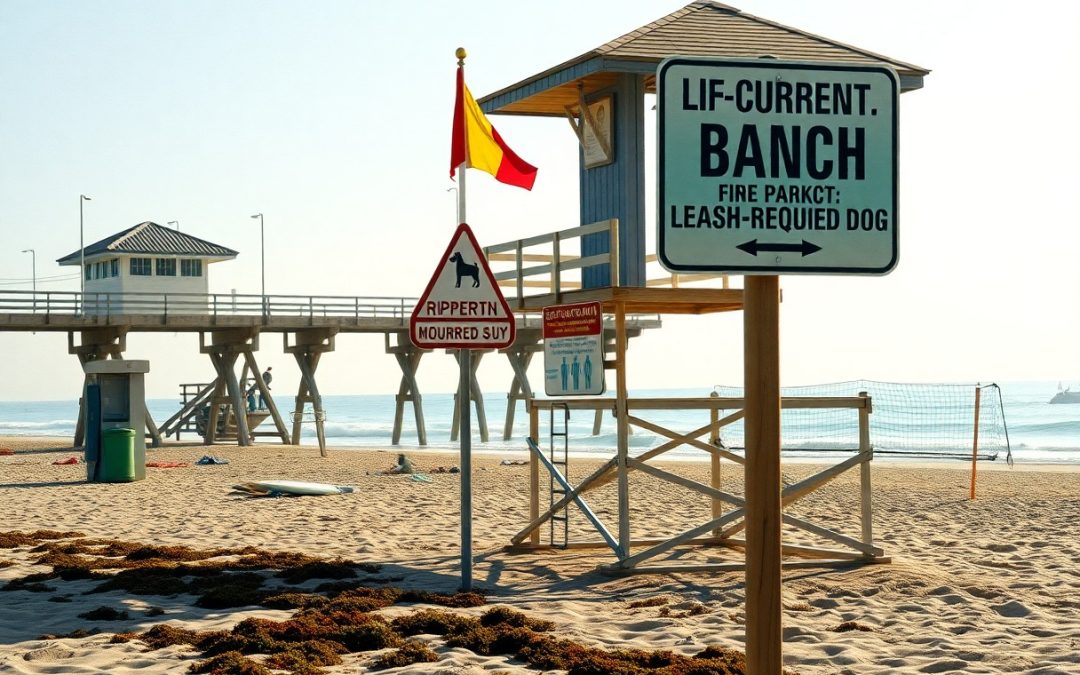
OrangeCounty offers sun-kissed shores and vibrant coastal culture, but you should know beach regulations, parking options, and water conditions before you go. Each beach has unique features, from family-friendly sands to surf-heavy breaks, and understanding local guidelines ensures a safe, enjoyable visit. Always check lifeguard flags and respect marine life zones.
The Geography of the Edge
Coastal dynamics shape every stretch of Orange County’s shoreline, defining sand patterns, water access, and beach character. You’ll notice how subtle shifts in tide and terrain influence where waves break and where paths lead to the water. Understanding these natural rhythms helps you choose the right spot for your day by the sea.
The Huntington Stretch
Long, open sands define this lively corridor from Huntington Pier to Bolsa Chica. You’ll find consistent waves ideal for surfing and wide walkways perfect for biking or strolling. Beach culture thrives here, with lifeguard towers spaced evenly and restrooms readily available.
The Laguna Enclaves
Secluded coves and dramatic bluffs mark this stretch between Crystal Cove and Dana Point. You’ll access beaches through winding trails, each leading to intimate shorelines framed by rock formations. Tide pools emerge at low water, inviting quiet exploration.
Each cove in the Laguna Enclaves offers a distinct experience shaped by geology and preservation efforts. You can spend hours discovering hidden tide pools teeming with anemones and hermit crabs, or simply relax on sand sheltered from afternoon winds. Parking is limited, so arriving early ensures the best access to these protected pockets of coastal beauty.
The Logistics of Arrival
Getting to Orange County’s beaches is easier than you might think, but planning ahead saves time. Most coastal towns are accessible via Pacific Coast Highway, though traffic can slow your progress during peak hours. You’ll want to check real-time conditions before setting out, especially on weekends when beachgoers flood the coast.
PCH Parking Realities
Parking along PCH fills up fast, especially in summer. You’ll often find metered spots with time limits or lots that charge by the hour. Arriving early gives you the best chance at a close spot, while ride-share or biking helps avoid the hunt altogether.
Public Access Points
Public access points are scattered every few blocks along most beaches, marked by stairways or pathways. You’ll see signs indicating beach entrances from PCH and side streets. These paths ensure everyone can reach the sand, even if parking isn’t right at the shoreline.
Public access points are more than just shortcuts to the sand-they’re legally protected pathways guaranteed by California law. You’ll pass through residential areas where homes back onto the beach, so respect privacy and stay on designated routes. Many of these corridors include ramps for accessibility and bins for trash, so keep the coastline clean as you go.
The Pacific Temperament
Waves here behave differently than you might expect. You face shifting tides and sudden swells, even on calm days. Cold currents rise from deep waters, making the ocean feel brisker than the air. Respect the water’s rhythm-it changes fast, and hesitation costs safety.
Rip Current Dynamics
Strong rip currents form when water rushes back to sea through narrow channels. If caught, don’t fight the pull. You swim parallel to shore until free, then return at an angle. Most beachgoers overestimate their strength-trust the technique, not instinct.
The Stingray Shuffle
Sand-dwelling stingrays bury themselves near shore. You avoid surprise stings by shuffling your feet as you walk. This warns them to move. Most injuries happen when swimmers step directly on one, provoking a defensive strike.
Shuffling works because stingrays sense vibrations and dart away when alerted. You keep your soles protected while preserving the ecosystem. Lifeguards recommend this simple step, especially in shallow, sandy zones where rays rest during warm hours. It’s routine for locals-and should be for you, too.
The Social Order of the Sand
Every stretch of sand has unspoken rules that shape how people share the space. You’ll notice locals staking out spots with precision, respecting personal bubbles while staying open to friendly exchanges. Crowds ebb and flow with the tides, but etiquette keeps tensions low and vibes high.
Surf Line游戏副本 Hierarchy
Someone already riding a wave earns the right of way. You wait your turn without dropping in or paddling aggressively through an active lineup. Respect builds trust, and trust keeps the surf running smoothly for everyone.
Fire Ring Protocols
Each ring operates on a first-come, first-served basis, and you’re expected to arrive with your own firewood. Keep flames contained, avoid loud music after 10 p.m., and never leave the pit unattended. Clean up completely when you’re done-ashes included.Fire rings are communal spaces, not private parties. You share the ring with others if space allows, especially during busy weekends. Alcohol is prohibited, and glass containers are banned to prevent injuries. Park rangers patrol regularly, so adherence to posted rules ensures your evening stays warm-and hassle-free.
The Seasonal Mood
Orange County’s coastal climate shifts subtly throughout the year, shaping your beach experience in unexpected ways. You’ll notice mornings often begin cooler, even in summer, with ocean breezes setting the tone by midday. Knowing these patterns helps you pack wisely and plan activities when conditions are most favorable.
June Gloom Persistence
Overcast skies in the morning are common from late spring into early summer, especially near the coast. You might wake up to layers of marine stratus hanging low, but don’t let that discourage you. These clouds typically burn off by early afternoon, revealing clear skies and pleasant temperatures perfect for sunbathing or surfing.
Santa Ana Wind Shifts
Strong, dry winds sometimes sweep down from the inland mountains, particularly in fall. You’ll feel the air grow warmer and clearer as these gusts push out marine layers. While they can make the sand a bit dusty, they also deliver some of the most stunning ocean visibility and ideal surf conditions.
When Santa Ana winds arrive, they originate from high-pressure systems over the Great Basin, funneling through mountain passes toward the coast. You’ll notice the shift not just in temperature, but in air quality and sky clarity. These offshore winds reduce humidity, heighten fire risk, and create powerful surf-ideal for experienced riders but challenging for casual swimmers. Always check local alerts when these winds blow.
Conclusion
From above, you can see that Orange County beaches offer beauty and recreation, but your safety and experience depend on knowing tides, regulations, and local conditions. You must check for warnings, respect wildlife, and follow posted rules. Your awareness ensures a smooth, responsible visit every time.