
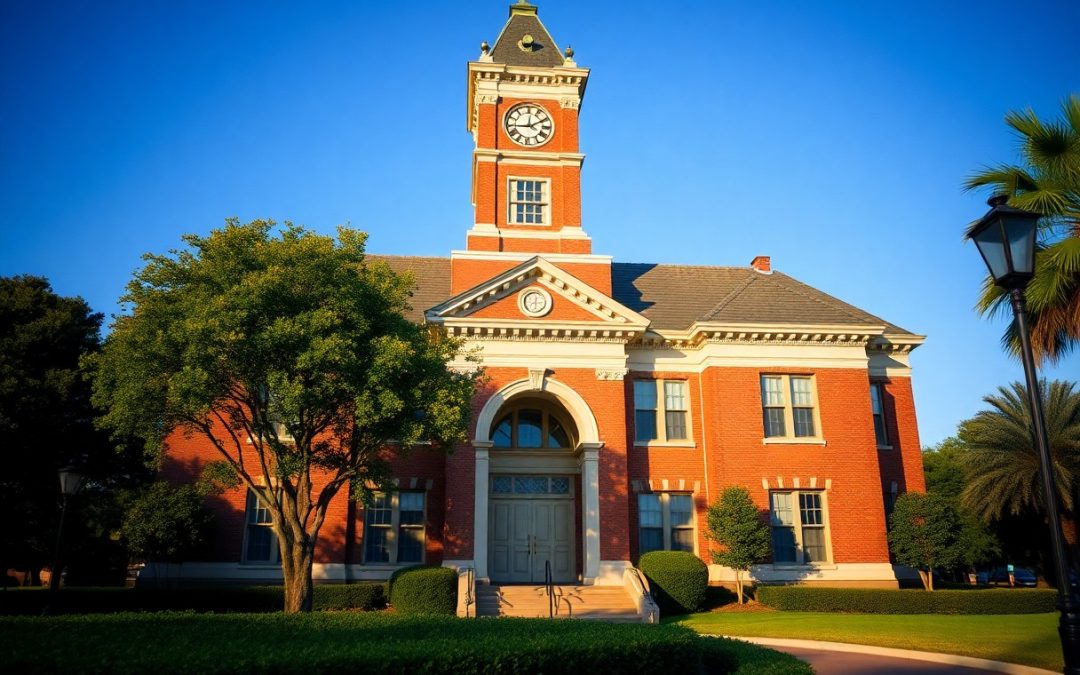
Orange County is rich in history, offering a wealth of historic landmarks that provide a glimpse into the region’s past. From charming missions to striking architectural sites, each landmark tells a unique story waiting for you to uncover. Whether you’re a history enthusiast or just looking for a fun day out, exploring these sites will enrich your understanding of your community’s heritage. In this post, you’ll discover some must-visit historic landmarks that showcase the fascinating history of Orange County.
Architectural Marvels: The Masterpieces of Orange County
Orange County is home to an array of stunning architectural masterpieces that reflect diverse styles and cultural influences. From modern marvels to historical treasures, you’ll find iconic structures like the Richard Neutra-designed Lovell Health House and the innovative Orange County Museum of Art. Each landmark tells a story, weaving together the threads of the region’s rich past and dynamic present. As you explore, pay attention to the intricate details and artistry that define these architectural gems, allowing you to appreciate the vision behind their designs.
Historic Missions: The Spiritual Foundations of California
The historic missions scattered throughout Orange County are a testament to California’s spiritual roots and colonial history. Established in the late 18th century, Mission San Juan Capistrano, the jewel among them, showcases stunning Spanish colonial architecture and serves as a beautiful reminder of the state’s early settlement. These missions not only served religious purposes but also played pivotal roles in agricultural development and cultural exchange, inviting you to immerse yourself in the captivating story of California’s beginnings.
Iconic Hotels: Where History Meets Hospitality
Orange County boasts several iconic hotels that blend history with modern hospitality, providing you with memorable stays steeped in character. The luxurious Hotel del Coronado, for instance, has welcomed countless guests since 1888 and features stunning Victorian architecture. The Mission Inn Hotel & Spa, with its ornate Spanish Revival design, enhances your experience with rich history and exceptional service, bringing together the charms of the past and comforts of the present.
You’ll find that these hotels are more than just places to rest; they embody the spirit of Orange County’s history. The iconic Hotel del Coronado has hosted celebrities and dignitaries, while the Mission Inn Hotel & Spa offers fascinating tours showcasing its rich heritage. At the Hills Hotel in Laguna Hills, you can enjoy vintage decor while immersing yourself in stories of the area’s past. Each hotel preserves the charm of history while catering to contemporary tastes, making your stay a journey through time as well as a relaxing retreat.
Historical Neighborhoods: Walking Through Time
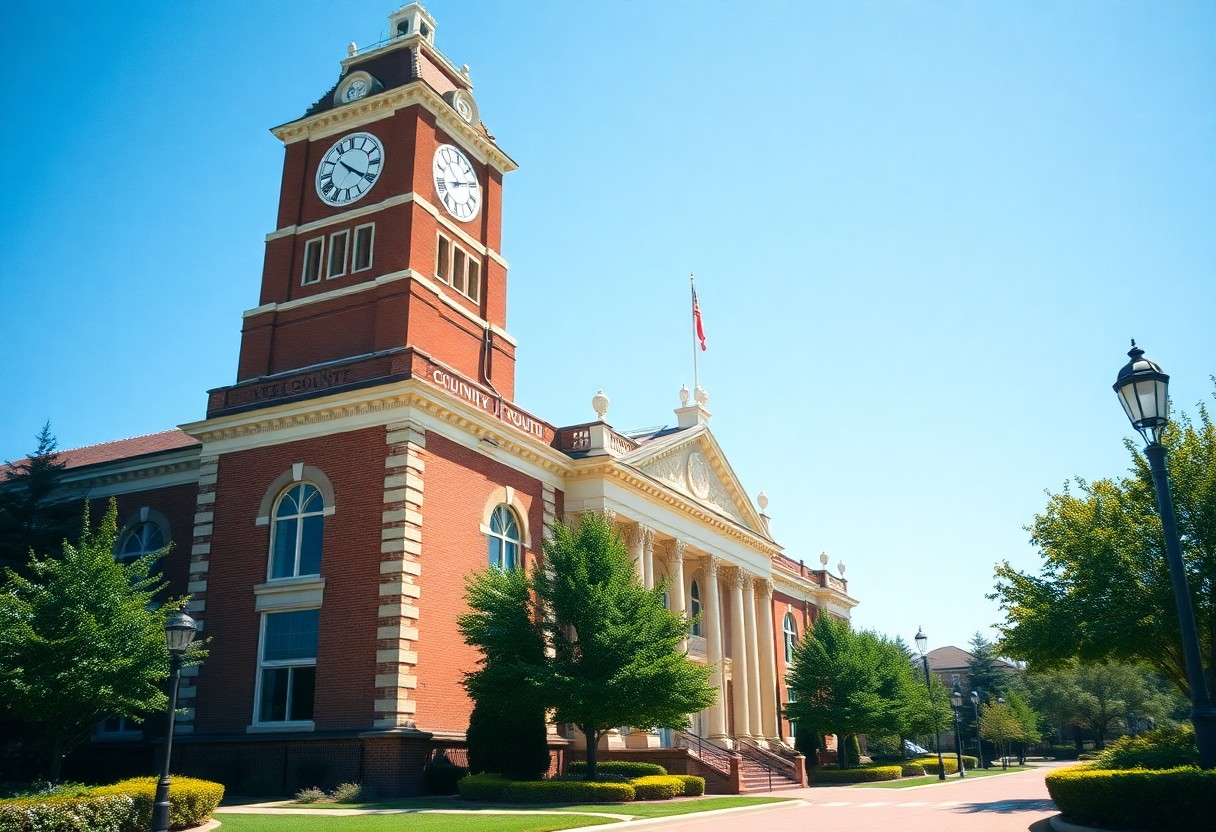
Exploring the historical neighborhoods of Orange County immerses you in a tapestry of stories and experiences that shape the region’s identity. Strolling through these areas, you can witness preserved architecture, vibrant community life, and landmarks that have stood the test of time, allowing you to connect with the past while enjoying the present. Whether it’s the Victorian charm of Old Towne Orange or the seaside allure of Balboa Island, each neighborhood tells its own unique story, drawing you in with its character and history.
Old Towne Orange: A Step Back into the 19th Century
Old Towne Orange is a living museum that transports you back to the 19th century with its beautifully preserved buildings and vibrant history. Originally founded in 1886, the area features charming brick streets lined with antique shops, cafes, and historic homes, making it a dreamy spot for a leisurely stroll. The iconic Orange Plaza, complete with the historic orange box, showcases the region’s agricultural roots and offers a glimpse of days gone by, melding nostalgia with modern vibrancy.
The Jewel of the Pacific: Balboa Island’s Rich Heritage
Balboa Island, affectionately dubbed “The Jewel of the Pacific,” boasts a captivating history dating back to the early 1900s. This charming island community is known for its iconic boardwalk, quaint shops, and waterfront views, making it a beloved destination for both locals and visitors alike. Originally developed by the McFadden brothers, the island has grown from humble beginnings into a celebrated tourist hotspot while retaining its unique historical character.
Taking a leisurely walk around Balboa Island reveals fascinating insights into its past. The island’s architecture features classic beach cottages that have remained largely intact, many dating back to the early 20th century. Historical landmarks such as the Balboa Pavilion, built in 1906, offer a glimpse into the vibrant social scene of the past, where locals and visitors gathered for dances and celebrations. The annual Balboa Island Art Walk further celebrates the island’s rich cultural heritage, showcasing local artists and artisans while reminding you just how connected this community remains to its storied past.

Cultural Institutions: Guardians of Orange County’s Story
As you explore Orange County, you’ll encounter cultural institutions that serve as guardians of its rich history and diverse heritage. These museums and libraries not only showcase the artistic brilliance of various communities but also provide a deeper understanding of the region’s past and its connections to broader narratives. Each venue offers a unique perspective, from art to politics, making them invaluable stops on your historical journey.
The Bowers Museum: Celebrating Indigenous and Global Art
The Bowers Museum stands as a testament to the rich tapestry of art from both local indigenous cultures and global traditions. With powerful collections that include Native American artifacts and contemporary pieces, this museum facilitates a dialogue about cultural intertwinedness and appreciation. You’ll find special exhibitions that change regularly, showcasing everything from pre-Columbian art to modern works, making it a must-visit for art enthusiasts.
The Richard Nixon Presidential Library: A Complex Legacy
Journeying to The Richard Nixon Presidential Library offers a unique confrontation with a multifaceted and often controversial chapter of American history. Spanning Nixon’s life from his childhood to his presidential term, this library features extensive documentation of his policies and personal life, including the Watergate scandal. It’s more than just a collection of artifacts; it invites reflection on his complex legacy and the lasting impact of his presidency.
The Nixon Library is home to a wealth of resources, including 70 million pages of documents, audio recordings, and historical photographs. As you navigate the exhibits, you’ll encounter the 37th President’s tumultuous journey, from his groundbreaking opening to China to his tumultuous exit from office. Beyond political documentation, the library also hosts special events and educational programs designed to engage visitors in thoughtful discussions about democracy, ethics, and governance—a fitting way to grapple with the complicated nature of history and its ramifications today.

Nature’s Heritage: Landmarks Woven into the Landscape
Orange County not only boasts vibrant urban spaces, but also stunning landscapes that tell stories of natural heritage. Within these breathtaking settings, you’ll find landmarks that reflect the rich history of the land and its inhabitants. These parks highlight the importance of conservation efforts and offer a glimpse into the region’s past while allowing you to immerse yourself in the beauty of nature.
Crystal Cove State Park: The Conservation of Coastal History
Crystal Cove State Park is a jewel along the Orange County coast, preserving historic beach cottages dating back to the 1920s. This unique area offers you the opportunity to explore coastal bluffs, tide pools, and scenic trails, all while appreciating the efforts taken to maintain its historical charm. The park serves as a reminder of early California beach culture and the importance of conserving the natural environment against pressures of urban development.
The Santiago Oaks Regional Park: Echoes of Early Settlers
Santiago Oaks Regional Park invites you to stroll through trails imbued with historical significance, showcasing remnants of Orange County’s early settlers. Not only does it provide a beautiful backdrop for outdoor activities, but it also tells the stories of the ranching and agricultural communities that once thrived in the area. Throughout the park, you can see historical landmarks and artifacts that date back to the late 1800s, giving you insight into how the landscape has shaped and been shaped by human activity.
The Santiago Oaks Regional Park is particularly notable for its diverse ecosystems and array of native plants that were significant to the early settlers. Along its trails, you can discover remnants of the original Anaheim Land & Water Company irrigation ditches, which played a critical role in sustaining early agriculture. The park is also a historically rich site, featuring old homesteads and farming equipment that highlight the transition from a rural landscape to the urban environment you see today. By visiting, you can gain a deeper understanding of how communities adapted to their environment and the enduring legacy of those who came before.
Spotlight on Local Lore: Legends and Myths of the Land
Every historical region has its share of legends and myths, and Orange County is no exception. From tales of hidden treasure buried beneath ancient oak trees to haunting stories of spectral figures wandering through old neighborhoods, the folklore adds a mysterious dimension to your exploration. Entering this world of local lore invites you to connect with the past and the diverse stories that have shaped the community’s identity.
Ghost Towns and Hauntings: The Spirit of Orange County’s Past
Ghost towns scattered across Orange County echo the whispers of yesteryears, inviting you to explore deserted streets and abandoned structures steeped in history. Places like the remnants of El Modena and the phantom-like presence of the historic town of Foothill Ranch offer glimpses into a vibrant past. Visitors often recount chilling encounters with apparitions, creating a sense of intrigue for those keen on discovering the spectral side of the county.
Historic Events that Shaped the Region: From Railroads to Orange Groves
Key events have indelibly marked Orange County’s trajectory, with the establishment of railroads, such as the Southern Pacific Railroad in the late 19th century, significantly transforming the landscape. This connectivity spurred growth in agriculture, especially the booming orange industry, which led to the county earning its name. By the 1920s, juicy citrus fruits were the driving force behind the local economy, shaping its culture and demographics in ways that still resonate today.
The arrival of the railroads not only facilitated the easy movement of goods but also attracted settlers, which sparked a rapid population increase. As orange groves flourished, local economies thrived, leading to the incorporation of towns like Anaheim and Santa Ana. This agricultural boom laid the foundation for the suburban development seen throughout Orange County today, influencing everything from land use to cultural diversity. Recognizing the significance of these events helps you understand the rich tapestry that constitutes Orange County’s history.
Summing up
Considering all points, exploring the historic landmarks in Orange County offers you a unique opportunity to connect with the rich cultural and architectural tapestry of the area. From the striking beauty of the Mission San Juan Capistrano to the charming streets of Old Towne Orange, each site invites you to immerse yourself in the past. Make it a point to visit these landmarks to deepen your understanding of the region’s history and heritage, ensuring a memorable experience during your journey through Orange County.