
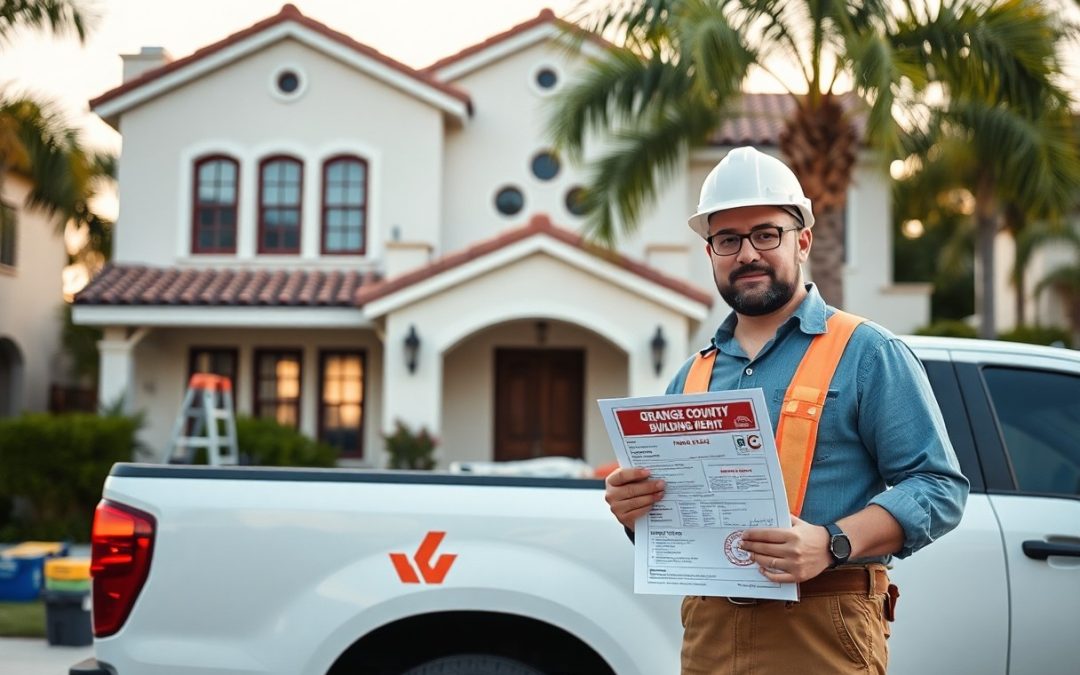
With Orange County’s competitive construction market, you face unique challenges and opportunities when hiring contractors. You’ll need to verify licenses, compare detailed bids, and understand local permitting rules. Clear communication and written contracts protect your project’s timeline and budget. Knowing these expectations prepares you to make confident, informed decisions.
The Regulatory Landscape of the Coast
Orange County’s coastal location brings unique building regulations shaped by environmental protections and local ordinances. You’ll encounter stricter rules near the shoreline, especially for projects involving erosion control or habitat preservation. Permits may take longer to secure, and design adjustments are often required to meet city and state standards.
State License Board Verification
You should always confirm a contractor’s license through the California State License Board website. This simple check ensures they’re legally permitted to work and have no unresolved disciplinary actions. Valid licensing protects you from liability and confirms the contractor meets minimum competency standards.
Liability and Workers Compensation
Your contractor must carry liability insurance and workers’ compensation coverage. Without it, you could be held responsible for accidents or property damage during the project. Always request proof of current policies before any work begins to protect your home and finances.
Workers’ compensation covers medical costs and lost wages if a worker gets injured on your property. If your contractor isn’t covered, you might face costly lawsuits or out-of-pocket expenses. Insist on certified insurance documents and verify policy numbers directly with the provider for full protection.
Financial Realities in the Gold Coast
Orange County’s thriving market means project costs often run higher than in neighboring regions. You’re paying for skilled labor, strict code compliance, and premium materials. Budgeting realistically from the start helps avoid mid-project surprises and ensures smoother approvals and timelines.
Labor Cost Projections
Skilled tradespeople in Orange County command competitive rates due to high demand and living expenses. You should expect hourly rates for electricians, plumbers, and carpenters to reflect regional averages, which can exceed state norms by 20-30%. Accurate labor estimates are imperative for realistic bidding.
Legal Limits on Down Payments
California law restricts home improvement contractors from asking for more than 10% of the total contract price or $1,000, whichever is less, as a down payment. You’re protected from excessive upfront costs, reducing financial risk before work begins.
Contractors who request larger deposits violate the California Contractors State License Board (CSLB) regulations. You should verify the contract adheres to this rule before signing. Exceeding the limit not only breaks the law but may signal an unlicensed or unscrupulous operator. Always report suspicious requests to the CSLB.
Navigating Local Permitting Mazes
Permitting in Orange County often takes longer than expected, especially in cities like Newport Beach and Laguna Beach. You’ll need to account for plan checks, inspections, and occasional revisions. A qualified contractor familiar with municipal codes can help streamline the process and avoid costly delays.
City Hall Bureaucracy
Each city handles permits differently, and clerks may interpret rules in unexpected ways. You might face inconsistent responses depending on the day or department. Submitting complete documentation and following up promptly keeps your project moving without unnecessary holdups.
Coastal Commission Restrictions
If your property lies within the Coastal Zone, state rules may override local approvals. You’re required to comply with environmental protections, view corridors, and design limitations. Projects near the shoreline often face longer review periods and public input requirements.
The California Coastal Commission regulates any development within a half-mile of the coast, impacting cities like Dana Point, San Clemente, and Laguna Beach. You’ll likely need a Coastal Development Permit (CDP), which scrutinizes everything from building height to landscape choices. Public hearings, environmental reports, and design reviews are standard-factor in extra time and budget to meet these demands. Your contractor should have direct experience with CDP submissions to avoid rejection or redesigns late in the process.
Communication and Project Management
Clear communication sets the foundation for a smooth renovation or build in Orange County. You should expect regular updates, defined channels for questions, and a project manager who keeps all parties aligned from start to finish.
Establishing Realistic Timelines
Setting a practical schedule begins with understanding local permitting delays and material availability. Your contractor should walk you through each phase, factoring in buffer time for unexpected hiccups common in Southern California projects.
Subcontractor Oversight
One person on your job site must coordinate all trades to prevent missteps. This lead ensures electricians, plumbers, and framers follow the plan and timeline without overlap or rework.
Effective subcontractor oversight means your general contractor doesn’t just hire specialists-they actively manage them. You benefit when the builder enforces quality checks, schedules site meetings, and resolves conflicts before they impact your budget or deadline. A well-supervised team completes work in sequence, reduces callbacks, and maintains a clean, safe job site throughout the project.
Contractual Safeguards
Every project in Orange County should begin with a solid contract that protects your interests. You deserve clarity on pricing, timelines, and responsibilities, so insist on a written agreement before any work starts. A well-drafted contract sets clear expectations and reduces the risk of misunderstandings down the line.
Detailed Scope of Work
Your contract must include a precise description of all tasks to be completed. This section outlines materials, labor, and deliverables, leaving no room for assumptions. Clarity here prevents disputes and ensures you receive exactly what was promised.
Termination Clauses
You need a clear exit strategy if the working relationship sours. A fair termination clause defines the conditions under which either party can end the contract, including notice periods and potential penalties.
Should the contractor fail to meet deadlines, violate permit regulations, or deliver substandard work, you must have the legal right to terminate without excessive financial loss. The clause should specify how completed work is assessed, what payments are due, and who retains permits or design plans. Knowing these terms upfront gives you control and accountability throughout the project.
Final Project Closure
Wrapping up your project in Orange County means verifying every detail aligns with your original agreement. You’ll review completed work, settle final payments, and secure crucial documentation to protect your investment long after the crew leaves.
Inspection Walkthroughs
You walk the site side-by-side with the contractor to assess quality and completeness. Point out any unfinished items or defects so they’re corrected before final approval. This step ensures the work meets both code standards and your expectations.
Mechanics Lien Releases
You receive a document from each contractor, subcontractor, and supplier confirming they’ve been paid and waive the right to file a lien. These releases protect you from future claims on your property.
Mechanics lien releases are legally binding forms that prevent unpaid parties from asserting a claim against your home. In California, it’s standard to request conditional and unconditional lien releases depending on payment status. You keep these on file as proof of clear title and responsible project management.
To wrap up
Presently, hiring contractors in Orange County means reviewing licenses, checking local references, and confirming insurance coverage. You receive clear bids and timelines when working with reputable professionals. Permits and inspections follow county standards, ensuring your project meets code. You protect your investment by communicating expectations early and putting agreements in writing.