
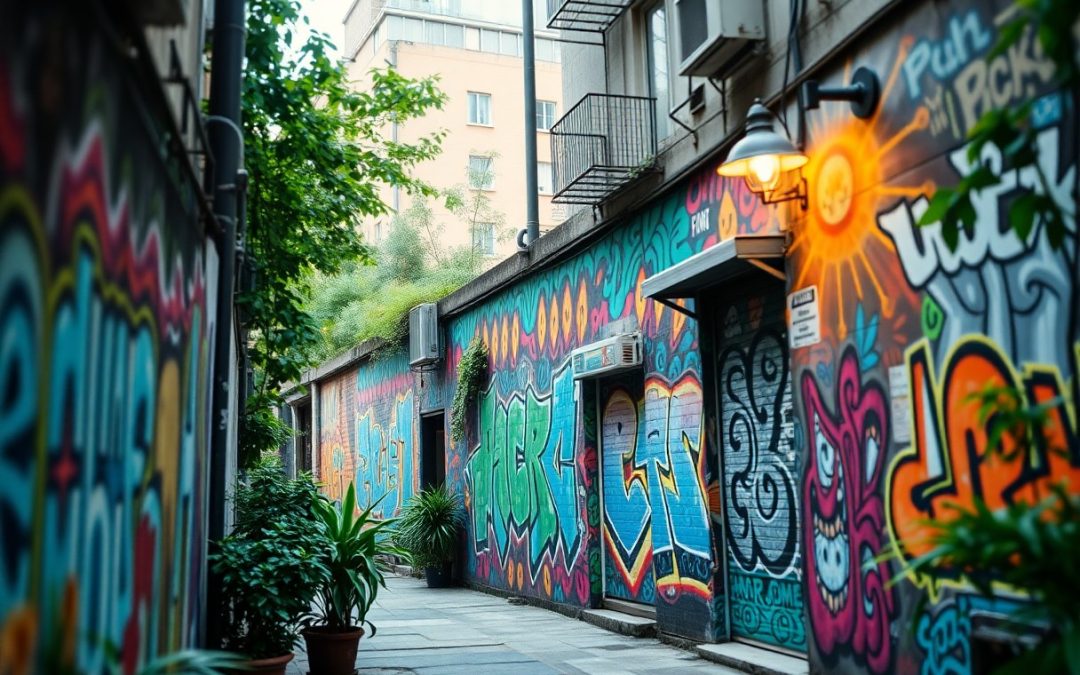
Trails of vibrant murals and captivating street art await you in every corner of the county. As you explore these creative expressions, you’ll uncover the stories and cultural significance behind each piece. From urban alleys to quiet neighborhoods, these artworks not only beautify your surroundings but also connect you to the local community. Whether you’re an avid art lover or just looking for a new adventure, following these hidden trails will enrich your experience and reveal the artistic heartbeat of your area.

The Cultural Tapestry of Urban Art
The diverse styles and themes in urban art reflect the unique cultural narratives of each community. As you explore hidden murals and vibrant street art, you’ll notice how local artists weave stories of identity, socio-political issues, and historical reflections into their work. These artistic expressions not only beautify public spaces but also foster a sense of belonging and pride among residents. Each piece contributes to a larger discussion about the collective experience and aspirations of your community, making urban art an integral part of the cultural landscape.
Historical Context of Street Art Movements
Street art has roots in various movements, from the political graffiti of the 1980s to the contemporary murals that address pressing social issues today. You can trace its lineage back to the rise of hip-hop culture, where artists utilized walls as canvases to express dissent and cultural pride. As urban landscapes evolved, so did street art, blending different styles and techniques, resulting in a rich tapestry that reflects both local history and global influences.
The Role of Community in Shaping Public Art
Your engagement with street art can illuminate how communities shape public art projects. Artists often collaborate with local organizations and residents, ensuring the artworks resonate authentically with the community’s identity and values. Through initiatives such as mural festivals and workshops, neighborhoods become active participants in the artistic process, allowing individual narratives to influence the final creations.
The collaborative nature of urban art means that community input is important to its success. For example, programs like “Paint the Streets” have allowed residents to share their ideas, leading to murals that celebrate local heritage, address community issues, or simply bring joy. You may find that these artworks evolve based on ongoing dialogues within the community, creating dynamic pieces that change with the times. By participating in public art projects, you not only beautify your environment but also contribute to a sense of ownership and pride in shared spaces.
Noteworthy Murals and Their Impact
Your exploration of murals uncovers stories that resonate with local heritage and provoke thought. Each mural acts as a visual narrative, reflecting the community’s identity, struggles, and aspirations. The creativity and emotion embedded in these artworks contribute to a shared cultural experience, influencing both residents and visitors alike. The impact extends beyond aesthetics, as murals often spark dialogues about social change and community pride.
Iconic Large-Scale Murals and Their Stories
Large-scale murals dominate urban landscapes, often depicting historical figures or significant events that shaped the local community. These monumental artworks command attention, drawing you into a narrative woven with color and symbolism. For instance, the celebrated mural in Downtown blends vibrant imagery with themes of resilience, showcasing the journey of local activists and inspiring future generations with a powerful visual legacy.
Small-Scale Murals: The Power of Local Narratives
Small-scale murals intimately capture the essence of community experiences, often reflecting personal stories or local legends. You might encounter a whimsical piece that celebrates childhood memories or a poignant tribute to a local hero, each adding a layer of depth to the neighborhood’s character.
These smaller murals often highlight everyday life and connect you to the community on a personal level. For example, a mural on a local café wall may depict daily scenes that resonate with patrons, transforming a simple coffee shop into a gallery of shared experiences. Engaging with these pieces allows you to appreciate the local culture and fosters a sense of belonging. Additionally, these artworks encourage community participation, as local artists and residents collaborate to create visual narratives that encapsulate their unique stories. The profound emotional connections formed through these art pieces enhance community ties and spark civic pride, making each mural a vital part of the cultural landscape.

Navigating the Best Street Art Trails
Exploring street art trails can lead you through the heart of urban creativity. Utilizing local maps or art apps will enhance your experience, making it easy to find hidden gems. Many neighborhoods have dedicated trails with signs and apps that provide artist information, allowing you to appreciate the intricate stories behind each piece. Don’t hesitate to venture off the beaten path; the most extraordinary works often lie in unexpected places.
Top Routes for Street Art Enthusiasts
The downtown district boasts a concentrated selection of large-scale murals, while the artsy neighborhood on the west side offers a quirky mix of installations and graffiti. For those after a scenic stroll, the waterfront path features dynamic pieces alongside beautiful views. Each route unfolds different stories, so pick a few to explore deeply. The best times to visit are early morning or late afternoon for optimal lighting and fewer distractions.
Tips for Planning Your Street Art Adventure
Creating an effective street art itinerary enhances your exploration. Consider visiting during local street art festivals to catch special installations and meet the artists. Pair your trail with local eateries; many artworks are located near great food spots. Engaging with local communities can provide additional insights, as many residents have stories to share about their favorite murals. Thou, one may discover lesser-known works through this approach.
- Research the artists and their backgrounds.
- Bring a camera to capture your favorites.
- Wear comfortable shoes for walking.
- Explore different times of the day for varying perspectives.
- Thou should always respect the art by avoiding vandalism.
Planning is key to a memorable adventure. Investigating online or through social media can pinpoint trending spots and hidden treasures. Bringing along a friend to discuss your findings adds depth to your journey. Be open to spontaneity; stray from your route if an intriguing piece catches your eye. Explore the narratives behind the art and share your thoughts. Thou, be sure to capture the experience in a journal or digital log for future reflection.
- Follow local artists on social media for updates.
- Participate in guided street art tours for insider knowledge.
- Stay hydrated, and plan breaks to fully enjoy your surroundings.
- Thou can enhance your understanding through specialized street art books.
The Intersection of Street Art and Tourism
Street art has transformed from a subculture into a vital component of urban tourism. As you stroll through cities adorned with vibrant murals and graffiti, you discover that these artistic expressions attract tourists eager to explore local culture. Many travelers now prioritize destinations with rich street art scenes, turning art trails into compelling visitors’ itineraries that offer an authentic glimpse into city life.
Economic Benefits of Art Trails for Local Communities
Art trails foster economic growth by driving foot traffic to local businesses. Increased tourism generates sales for cafes, shops, and galleries, contributing significantly to the local economy. For instance, towns that invest in public art often see a boost in revenue, with some reports showing up to a 15% increase in business for establishments located near popular art installations.
Engaging Tourists Through Authentic Local Experiences
Authentic local experiences create a deeper connection between tourists and the communities they visit. Street art tours, guided by local artists or enthusiasts, allow you to gain insights into the stories behind the murals. Engaging directly with the creative process—whether through workshops or interactive installations—invites you to participate in the community’s artistic dialogue, fostering appreciation and understanding of its culture.
On these tours, you might encounter artists sharing the inspiration behind their work or the challenges they face, creating a personal narrative that resonates with you. Additionally, collaborating with local businesses enhances the experience; perhaps you’ll enjoy specialized art-themed menus at cafes or purchase handmade items reflecting the local art scene. Engaging directly with artists, learning about their techniques, and understanding the cultural context behind the pieces you admire turns a simple sightseeing venture into an immersive, enriching experience. This connection not only brings the art to life but also strengthens your bond with the community, potentially influencing travelers to return and support it further.

The Future of Street Art: Challenges and Opportunities
The landscape of street art faces numerous challenges as urbanization accelerates. Gentrification can displace artists, while strict regulations often stifle creative expression. However, these obstacles also present opportunities for collaboration between artists and city planners to create designated spaces for art. As the demand for unique visual experiences rises, community-supported initiatives may emerge, fostering a sustainable environment for street art to thrive.
The Influence of Urban Development on Art Spaces
Urban development significantly impacts art spaces, often leading to the erasure of existing murals and installations. As neighborhoods evolve, artists find themselves navigating rapidly changing landscapes that may constrict their canvas. However, adaptive reuse of spaces opens new avenues for murals designed to resonate with the community’s identity, allowing art to reflect the dynamics of urban growth.
Embracing Technology: Digital and Augmented Reality Art
With technology’s rise, street art has begun to evolve into digital and augmented reality forms. These innovations allow artists to create immersive experiences that transcend traditional boundaries, offering viewers a multifaceted engagement with art. Events like the Augmented Reality Art Festival showcase how digital overlays can enhance physical murals, creating an interactive layer that invites deeper exploration.
Integrating digital and augmented reality into street art not only transforms static murals into dynamic experiences but also expands accessibility. For instance, apps allow you to scan physical artworks with your smartphone, unveiling animations or soundscapes that enrich the narrative. This interaction bridges the gap between virtual and physical worlds, drawing in diverse audiences and encouraging a younger demographic to appreciate urban art forms. Additionally, as artists experiment with these technologies, they push the boundaries of creativity, fostering an innovative environment that continually reinvents your experience of art in public spaces.
Final Words
Following this, you can uncover the vibrant stories and creativity found in hidden murals and street art trails across the county. Each piece serves as a reflection of the local culture, inviting you to engage with your community in a new way. By exploring these artistic treasures, you not only enhance your understanding of urban art but also support local artists and their narratives. Venture out, map your route, and immerse yourself in the colorful world that awaits around every corner.