

It’s fascinating to uncover the layers of history that lie just beneath the surface of Orange County’s bustling streets. As you navigate through contemporary developments and busy intersections, you may be surprised to discover the rich heritage and stories that shaped this vibrant region. This post will guide you through some of the hidden historical landmarks, significant events, and cultural shifts that have left an indelible mark on Orange County’s modern identity.

Echoes of the Past: Indigenous Roots of Orange County
The Original Inhabitants and Their Lifeways
Long before modern developments, the Tongva and Acjachemen tribes thrived in what you now call Orange County. They utilized the region’s diverse landscapes, from coastal resources to the rich inland habitats, to sustain their communities. You’d find them fishing, hunting, and gathering acorns, with intricate systems of trade connecting them to other tribes throughout Southern California.
Cultural Practices and Their Enduring Legacy
The vibrant cultural practices of the Indigenous tribes deeply influenced Orange County’s heritage. You can still feel the echoes of their traditions in modern festivities, art, and land stewardship. Ceremonial dances and songs, reflecting their spiritual connection to nature, persist in certain community gatherings, showcasing the resilience of their cultural identity.
Today, you might encounter artwork inspired by Native motifs at local galleries or hear stories shared during community events that celebrate Indigenous heritage. Practices like acorn gathering have evolved into educational workshops, promoting sustainable resource management reflective of traditional methods. Places such as the historic San Juan Capistrano mission serve as reminders of how Indigenous techniques melded into the fabric of California’s history, fostering a legacy that continues to resonate throughout the county. As you explore, these cultural influences remind you of a rich past that shapes today’s community identity.
From Ranchos to Urbanization: The Surging Transformation
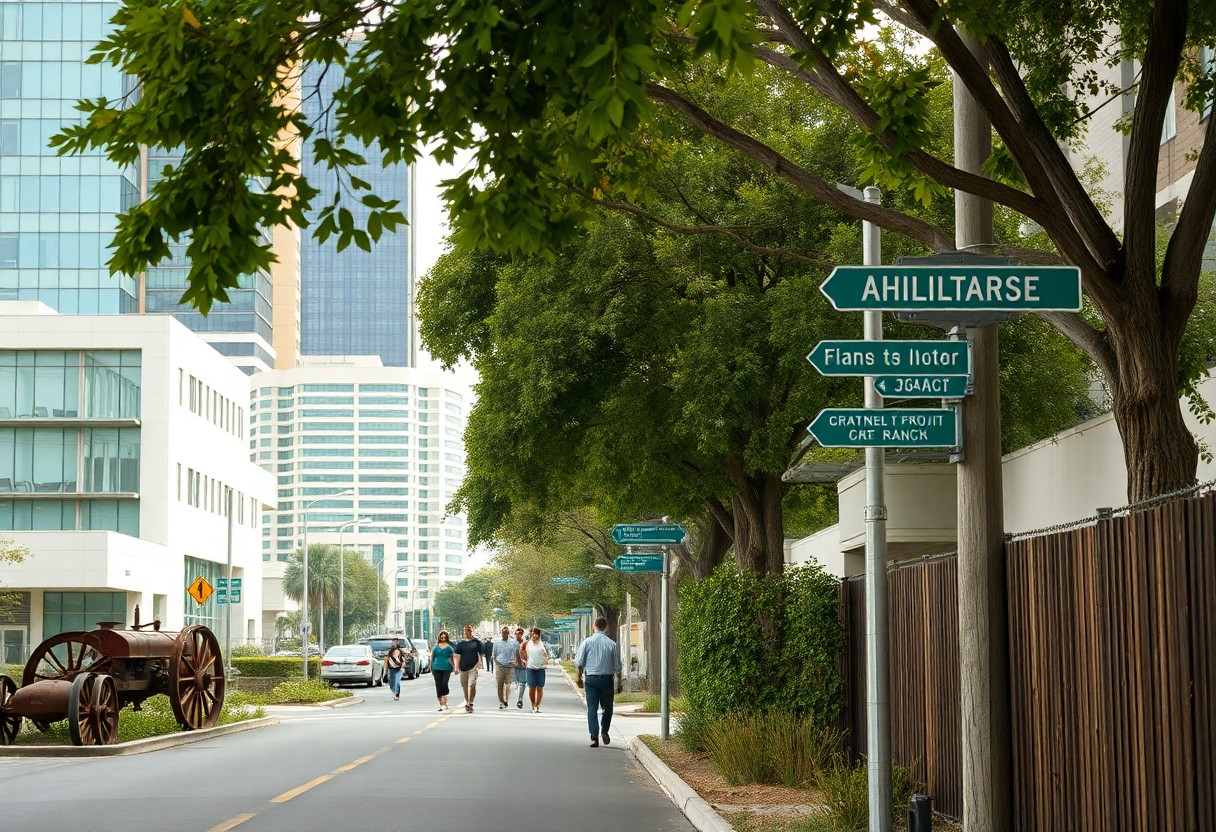
The shift from sprawling ranchos to bustling urban centers redefined Orange County, fostering a landscape filled with homes, businesses, and roads. This transformation began in the 19th century and was fueled by agricultural developments, population growth, and the thirst for land. Railroads and highways further accelerated this metamorphosis, paving the way for suburban sprawl and a surging economy. As you traverse the streets today, remnants of this rapid urbanization whisper stories of the past, hinting at the pastoral origins that once dominated the area.
The Birth of the Spanish Land Grants
Spanish land grants established the foundation for many Orange County properties, transforming vast expanses into privately owned ranchos. In the late 18th and early 19th centuries, these grants were allocated to settlers, enabling them to cultivate and manage expansive tracts of land. As you explore these historic sites, the influence of these early land grants becomes evident in the region’s agricultural roots and the establishment of communities that would flourish over time.
The Impact of the Gold Rush and American Expansion
The Gold Rush of 1849 acted as a catalyst for American expansion, dramatically altering Orange County’s demographics and economy. With thousands flocking to California searching for wealth, the influx of settlers accelerated land development and increased demand for resources. This migration, combined with the United States’ territorial ambitions, led to the integration of Orange County into a rapidly growing state. You’ll find that this era not only brought diverse populations but also fostered a spirit of innovation and entrepreneurship, laying the groundwork for future growth.
As thousands of prospectors sought fortune in the gold mines, many settled in Orange County, bringing with them new cultures and economic opportunities. Ranching and agriculture flourished to support the burgeoning population, reshaping the local economy. Additionally, the arrival of the railroad in the 1870s connected the region to larger markets and attracted even more settlers, prompting the creation of towns and infrastructure. This period marked a pivotal shift from sparsely populated landscapes to vibrant communities, fundamentally reshaping what Orange County would become in the decades to follow.

The Revolution of Suburbia: Shaping Modern Orange County
The Post-War Boom and Housing Developments
The post-war era marked a transformative period for Orange County, characterized by an explosive increase in population and a surge in housing developments. With returning veterans and their families seeking affordable homes, developers capitalized on government initiatives like the GI Bill. This led to the rapid construction of tract homes, particularly in areas like Anaheim and Irvine, shaping the suburban landscape you see today. By the early 1960s, the county’s population exploded from about 200,000 in 1940 to nearly a million, forever altering its identity.
Infrastructure Changes and Community Formation
Infrastructure advancements fundamentally reshaped how you experience Orange County. The Interstate Highway System, completed in the 1960s, connected suburban neighborhoods with commercial centers, fueling further growth. New schools, parks, and shopping centers emerged, creating a sense of community. These developments catered to families, emphasizing the importance of convenience and connectivity in your day-to-day life.
Massive infrastructure projects transformed Orange County’s landscape, promoting community interaction and accessibility. The integration of freeways like the 5 and 405 created a seamless network linking suburban homes to urban amenities, influencing where you chose to live and work. The emergence of shopping centers, schools, and parks in close proximity bred a suburban lifestyle focused on family-oriented activities. By prioritizing these facilities, communities flourished, shaping a distinct Orange County identity that resonates with your experiences today.
Unearthing the Layers: Archaeological Discoveries Revealed
Every layer of soil you traverse in Orange County holds secrets of its past, often surprising those unearthing them. Building construction and urban development have exposed a wealth of archaeological finds, including artifacts from indigenous populations such as tools and ceremonial items. These discoveries offer a tangible connection to the region’s history, revealing the rich narratives once hidden beneath pavement and structures.
Recent Finds and Their Historical Significance
Recent excavations unveiled a trove of artifacts dating back thousands of years, including intricate pottery and remains of ancient structures. These items provide invaluable insight into the daily lives, trade practices, and cultural beliefs of early inhabitants. Such finds not only contribute to our understanding of local history but also highlight the enduring legacy of those who once thrived here.
How Excavations Challenge Modern Narratives
Excavations disrupt prevailing historical narratives that often overlook the complexity of Orange County’s past. Your perception of the area as a contemporary suburban landscape shifts dramatically with each discovery, revealing a rich tapestry woven from diverse cultures and histories previously marginalized. Excavated artifacts challenge the simplified view of a region defined solely by its recent growth, encouraging a broader appreciation for its layered heritage.
Excavations illuminate how narratives surrounding Orange County often prioritize modern development over indigenous histories. For instance, the discovery of extensive trading networks challenges the notion that early inhabitants were isolated or economically stagnant. Similarly, evidence of sophisticated agricultural practices contradicts assumptions about their subsistence strategies. Such findings demand a reevaluation of local history, urging residents to recognize the profound impact and contributions of diverse populations in shaping the region’s identity. By embracing these complexities, you can foster a deeper connection with Orange County’s past and challenge simplistic interpretations of its development.
The Role of Preservation: Balancing Growth with History
Your community faces the challenge of maintaining its rich historical identity while embracing modern growth. Preservation efforts aim to strike a balance, ensuring that the stories of the past continue to resonate amid today’s rapid developments. By implementing regulations and fostering awareness, local stakeholders can protect iconic landmarks without stifling economic progress, making preservation not just a duty but a strategy for community enhancement.
Local Efforts to Protect Historical Sites
The Impact of Development on Heritage Conservation
Development projects often threaten the integrity of historical sites, leading to clashes between preservationists and developers. As new shopping centers and housing developments rise, many historical structures face demolition or neglect. These conflicts raise important questions about compromised cultural identity and the loss of communal narratives that define your area’s unique character.
In recent years, rapid urbanization has led to an increase in redevelopment projects that overlook existing historical neighborhoods. For example, the demolition of the historic Santa Ana Depot in 2013 to make way for new commercial spaces sparked outrage among preservationists. This situation illustrates a broader trend where developers prioritize profitable ventures over preserving cultural landmarks. As a result, you may find that significant aspects of local history are erased, prompting the need for stronger protections to ensure your community retains its historical essence amidst mounting pressures for modernization.
Summing up
Conclusively, by exploring the hidden history beneath Orange County’s modern streets, you gain a deeper understanding of the rich cultural tapestry that has shaped your community. Uncovering stories of the past not only enhances your appreciation of the area but also connects you to the legacy of those who came before you. This journey through history invites you to reflect on how the past continues to influence your everyday life and the development of the region.