
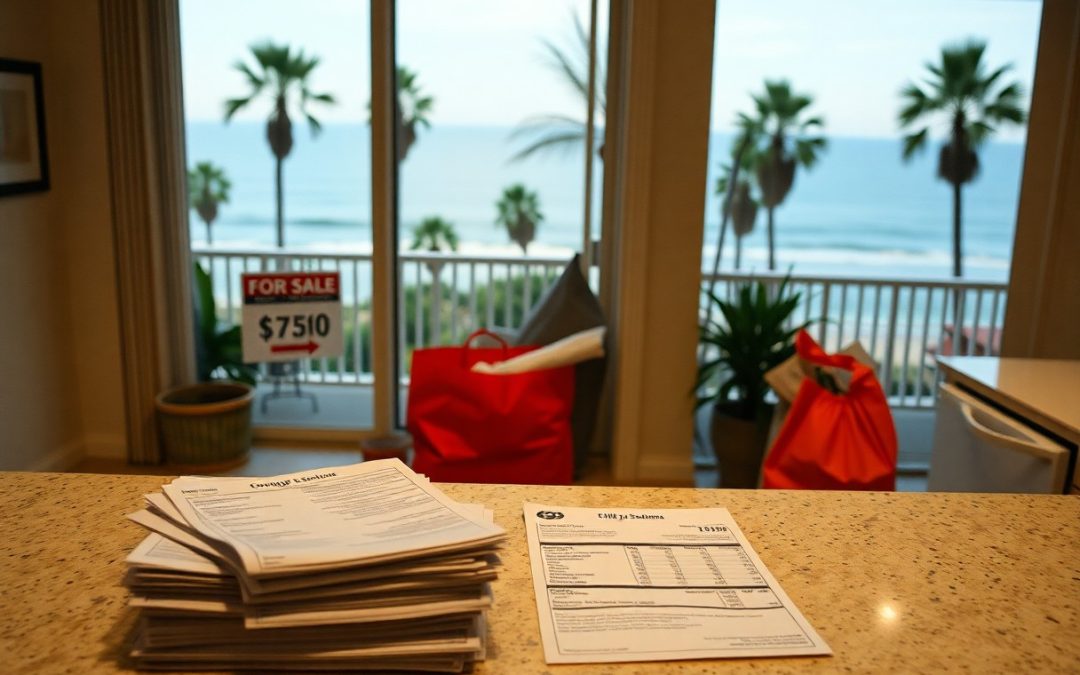
You face some of the highest living costs in California when settling in Orange County. Housing, groceries, transportation, and utilities run well above national averages. Your budget will need careful planning, especially in cities like Irvine, Newport Beach, and Laguna Niguel. Public services and schools are strong, but affordability remains a challenge for many residents.
The Real Estate Mirage
You see homes priced like palaces but built with builder-grade finishes and cookie-cutter layouts. Orange County’s real estate market often trades substance for location, where square footage shrinks but the cost soars. What looks like value on paper rarely reflects livability, leaving buyers overpaying for underwhelming spaces just to claim the zip code.
The Valuation of Stucco
Stucco-clad homes dominate the Orange County streetscape, and their low maintenance fuels buyer appeal. You’re often paying not for architectural charm but for perceived durability and HOA-friendly aesthetics. That smooth exterior hides little about the home’s age or layout, yet it still influences price tags more than it should.
The Lease on the Light
You might rent a home with solar panels already installed, only to discover you’re leasing the system, not the energy. Monthly fees continue for 20 years, often with escalators baked in. Ownership never transfers, and you’re locked into a contract that outlasts most leases.
Solar leases in Orange County are frequently bundled into escrow without clear disclosure. You inherit the payment, the terms, and the hassle-sometimes without realizing it until the bill arrives. These agreements can deter buyers when it’s time to sell, as few want to assume someone else’s energy contract. Always request lease details before closing.
The Subsistence Ledger
Every dollar you spend in Orange County carries weight, especially when tracking daily necessarys. Groceries, utilities, and household supplies add up faster here than in many inland regions. You’re not just paying for goods-you’re absorbing regional overhead baked into every transaction. Budgeting requires precision, not guesswork.
The Artisanal Grocery Tax
Shopping at boutique markets or organic grocers inflates your bill without improving nutrition. You pay a premium for curated labels, rustic aesthetics, and locally branded packaging. These stores thrive on perception, not value. Your weekly haul costs more, even when the contents are identical to mainstream alternatives.
The Commodity of Wellness
Yoga classes, cold-pressed juice, and wellness subscriptions aren’t luxuries-they’re line items in your monthly spreadsheet. You treat self-care like a utility, but the pricing reflects exclusivity, not accessibility. What’s sold as balance often comes with a steep access fee.
Wellness in Orange County operates like a tiered membership system. You can join a $220-a-month fitness studio with infrared saunas and sound baths, or settle for crowded chain gyms with limited hours. Farmers markets charge $9 for kombucha that costs half as much elsewhere. Even mental health apps and meditation workshops carry premium pricing, as if peace of mind is priced per zip code. You adapt by choosing where to splurge and where to scale back-because skipping it altogether isn’t really an option.
The Logistics of the Commute
Orange County’s sprawling layout means most errands or jobs require time behind the wheel. You’ll quickly learn which on-ramps to avoid and when the 405 turns into a parking lot. Traffic shapes daily routines here, and your schedule must adapt to the rhythm of rush hour congestion and summer beach traffic.
The Freeway Tithe
Tolls aren’t common, but time is the real currency on Orange County freeways. You pay daily with delayed arrivals, longer workdays, and fuel costs that add up fast. Peak hours on the 5, 55, and 405 extract a predictable toll-your patience and productivity.
The Bureaucracy of Motion
Licensing, vehicle registrations, and smog checks come with living car-dependent life. DMV visits are unavoidable, and local rules like street sweeping schedules dictate where you park each week. These small rules shape how you move through the county every day.
Each city enforces its own parking regulations, from beachside zones in Newport to downtown Fullerton’s time-limited spots. Fines pile up fast if you overlook a sign or miss a renewal deadline. Staying compliant means tracking multiple local policies, not just state requirements. It’s not just driving-it’s managing a checklist just to stay legal on the road.
The Price of Leisure
Living in Orange County means paying more for relaxation. You’ll spend higher prices at beaches, theme parks, and outdoor events simply for the privilege of location. Whether it’s parking at Newport Dunes or a ticket to Disneyland, convenience comes with a markup. Your weekend unwind often costs more than in neighboring regions.
The Sunset Premium
Sunset views along the coast drive up costs for dining and events. You’ll pay extra for a seat overlooking the Pacific, even at casual spots. Prime evening reservations at oceanfront restaurants reflect this demand. Beauty has a rate, and in OC, it’s built into the bill.
The Price of the Open Air
Outdoor concerts and farmers markets may seem free, but prime spots require spending. You’ll buy premium drinks or overpriced snacks just to stay near the action. Access to open-space events often hides fees in parking or reservations. Simply showing up isn’t always enough.
Public parks like Crystal Cove or Laguna Coast Wilderness charge parking or require reservations during peak times. You might avoid admission, but convenience isn’t free. Food trucks, guided hikes, and shaded seating come with added costs. Even a casual stroll can tally up when you factor in gas, gear, and nearby retail temptations.
The Public Tally
You face a complex web of taxes that shape your monthly financial reality in Orange County. State income taxes, sales taxes, and property assessments all contribute to the overall cost of maintaining public services. While California funds education and infrastructure through these revenues, your take-home pay reflects the burden of being in one of the highest-taxed states in the nation.
The State’s Progressive Share
You pay higher income tax rates as your earnings increase, following California’s tiered structure. This progressive system means top earners contribute a larger percentage, funding state programs that support housing, health, and transportation. Your paycheck deductions reflect this model, with marginal rates climbing well above national averages once you surpass certain thresholds.
The Municipal Erosion
You notice fewer street repairs, delayed park upgrades, and tighter library hours despite consistent tax payments. Local governments in Orange County struggle to maintain services as rising costs outpace revenue growth. Your neighborhood feels the strain, with cities forced to prioritize emergency spending over long-term maintenance and community enhancements.
Municipal budgets in Orange County have been squeezed by inflexible state mandates, soaring pension obligations, and stagnant property tax growth due to Proposition 13. You may not see it on your bill, but cities are cutting back on landscaping, reducing code enforcement, and delaying infrastructure projects. These quiet reductions erode quality of life over time, making proactive planning important for residents who rely on stable local services.
The Private Outlay
Paying for private services in Orange County often reshapes your monthly budget. You’re likely to spend more on healthcare, education, and childcare than in many other parts of California. These expenses aren’t optional for everyone-some families rely on private options for convenience, quality, or specific needs. Your wallet will feel the difference quickly.
The Academy Investment
Enrolling your child in a private school means committing to tuition that can exceed $20,000 annually. You’re also covering uniforms, technology fees, and extracurricular costs. Many families view this as a long-term advantage, believing smaller classes and specialized programs deliver better outcomes. Your choice depends on priorities and financial flexibility.
The Luxury of Supervision
Hiring private childcare gives you tailored schedules and one-on-one attention for your child. You’re paying not just for supervision but for peace of mind and consistency. Rates for nannies or private preschools in affluent areas like Newport Beach or Laguna Niguel often surpass regional averages. This convenience comes at a premium you must plan for.
Private childcare in Orange County often includes vetted professionals with certifications in early education or CPR. You’re not only securing someone to watch your child but someone who supports developmental milestones. Many families opt for in-home nannies, which can cost $35-$50 per hour, especially in coastal cities. Your decision hinges on trust, availability, and how much control you want over daily routines.
Conclusion
The cost of living in Orange County reflects high housing prices, elevated daily expenses, and a competitive market. You face premium costs for groceries, transportation, and entertainment compared to national averages. Your budget must account for these realities to maintain comfort. Planning and local insight help you manage expenses effectively in this high-demand region.