
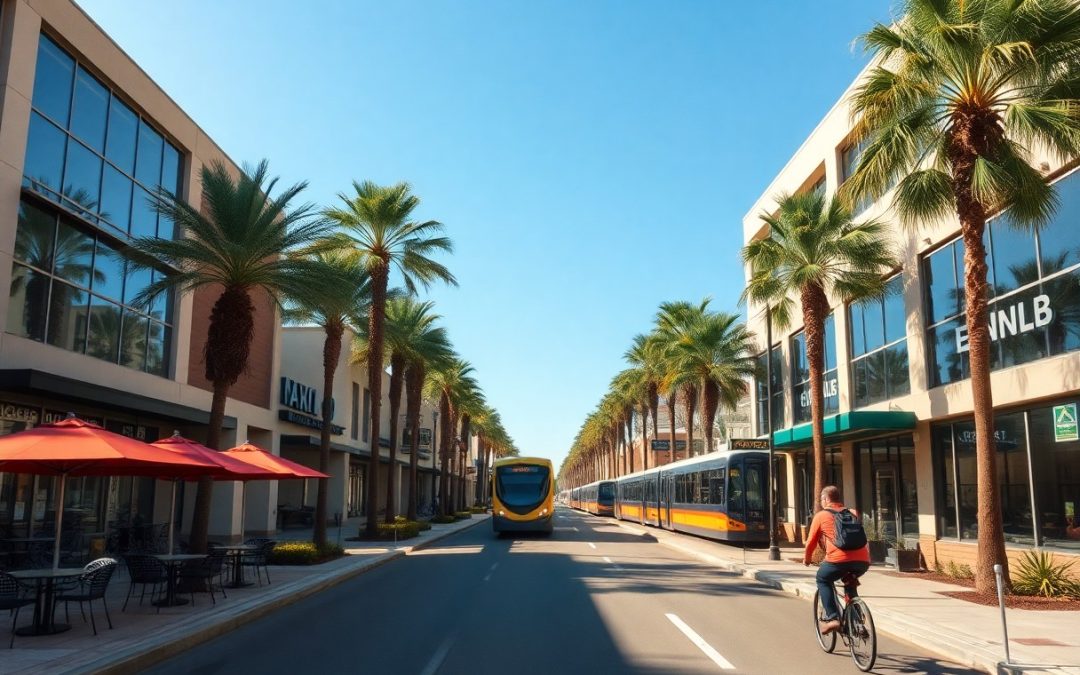
Most of your days in Orange County bring abundant sunshine alongside vibrant city amenities that shape your lifestyle. You’ll find sunlit beaches, walkable downtowns, diverse dining and cultural programming, plus transit and employment centers that influence daily rhythms; this guide shows how climate and urban design combine to affect your recreation, commute, and housing choices.
Climate and Sunshine
Average Annual Sunshine
You experience roughly 280-300 sunny days a year in Orange County, translating to about 3,000 hours of sunshine annually. Coastal spots like Laguna Beach average slightly fewer sunlit hours than inland cities such as Anaheim, where clearer skies and higher daytime temperatures push the count up. Those figures shape your outdoor dining, beach days, and festival schedules throughout the year.
Seasonal Weather Patterns
Winters are mild with daytime highs typically in the mid‑60s°F and most of the county’s roughly 12 inches of annual rain falling between November and March; summers bring steady 70s-80s°F on the coast and frequent 90s inland. A persistent marine layer produces “June Gloom” mornings, while Santa Ana winds in fall and winter can suddenly spike temperatures and dry conditions.
Microclimates matter: if you’re on the coast expect cooler, steadier temperatures and foggy mornings, whereas inland valleys see wider swings and hotter afternoons. Plan events around the marine layer by favoring afternoons once the low cloud burns off, and watch forecasts during Santa Ana episodes-when they hit you’ll notice gusts of 40-60 mph in canyons and much lower humidity that alters outdoor comfort and fire behavior.
Urban Life in Orange County
You navigate a region where bustling suburban grids meet coastal boulevards, with about 3.2 million residents spread across dense neighborhoods and planned communities; you’ll contend with major arteries like the 405 and 55, use Metrolink or OCTA routes for commutes, and find mixed-use developments where ground-floor retail sits beneath multifamily housing, creating walkable pockets around transit hubs and business parks that support tech, healthcare, and creative industry clusters.
Key Cities Overview
You’ll notice distinct personalities: Irvine’s master-planned sectors and UC Irvine’s research influence, Anaheim’s entertainment economy anchored by Disneyland and Angel Stadium, Santa Ana’s role as county seat with a vibrant downtown arts scene, Newport Beach’s high-end marina lifestyle, and Huntington Beach’s surf culture and annual competitions that draw regional crowds.
Cultural and Recreational Activities
You can choose museum nights at the Bowers, performances at Segerstrom Center, or big-ticket events-Disneyland hosts roughly 18 million visitors annually while the OC Fair attracts about a million-plus local festivals, farmers markets, and concert series that keep the calendar full year-round.
You’ll also get outdoor variety: Crystal Cove State Park offers 3.2 miles of coastline and tide pools for exploration, Upper Newport Bay’s ecological reserve brings more than 200 bird species for birding, and world-class courses like Pelican Hill and surf breaks in Huntington and Newport support active, weekend-focused lifestyles.
Economic Landscape
Orange County’s economy blends tourism, technology, healthcare and professional services, with anchors like Disneyland Resort drawing about 18 million visitors annually and employing over 30,000 people. You benefit from diverse job sectors across Anaheim, Irvine and Costa Mesa, and as of 2023 unemployment hovered near 3.5%, keeping local labor markets tight and wages competitive in many fields.
Major Industries
Tourism and hospitality remain vital, while advanced manufacturing, software and life sciences have grown strongly; you’ll encounter major players such as Disneyland, Edwards Lifesciences, AbbVie/Allergan alumni, and game studios in Irvine. Healthcare systems like Hoag and UC Irvine’s research ecosystem support both high-wage R&D roles and thousands of clinical and support positions throughout the county.
Employment Opportunities
Tech and healthcare lead hiring, offering roles from software engineers and data scientists to registered nurses and allied health professionals; hospitality and retail continue to supply entry- and mid-level jobs, especially seasonally. You can pursue positions in corporate finance in Newport Beach, manufacturing in Mission Viejo, or logistics and distribution across the county, providing a wide spectrum of career paths.
Practical pipelines exist: UC Irvine career fairs and industry meetups regularly connect candidates to employers, Disneyland runs continuous recruitment for operations, and companies like Edwards Lifesciences post R&D openings year‑round. You can also tap local workforce boards and staffing agencies-many list hundreds of vacancies weekly and host hiring events that often lead to interviews within weeks.
Transportation and Accessibility
You’ll find a layered network tying Orange County together: two Metrolink lines link you to Los Angeles and San Diego corridors, Amtrak’s Pacific Surfliner stops at Anaheim, Irvine and Santa Ana, and John Wayne Airport (SNA) sits inside the county for quick air travel. OCTA’s bus system and local shuttles plug gaps, while toll roads and the Pacific Coast Highway give you options whether you’re heading to beaches, business parks, or neighboring counties.
Public Transportation Options
You can ride Metrolink’s Orange County Line or the Inland Empire-Orange County Line for commuter rail service, then transfer at Santa Ana Regional Transportation Center to Amtrak or OCTA buses. OCTA operates dozens of local and express routes, and Anaheim Resort Transportation (ART) serves the Disneyland/Convention Center corridor. For last-mile trips, expect timed transfers, park-and-ride lots, and app-based schedules that let you plan multi-modal commutes with one ticket or regional pass.
Major Highways and Traffic
You’ll rely on a web of freeways-Interstates 5 and 405, State Routes 55, 91, and the coastal SR‑1-plus toll roads SR‑73, SR‑241 and SR‑261 to move across the county. Peak commute hours routinely double travel times, turning a 30‑mile trip into 60-90 minutes on corridors like I‑405 between Long Beach and Irvine. Expect predictable morning/evening pinch points and heavier weekend beach traffic along the PCH.
Using toll options and express lanes can change your experience: the 91 Express Lanes provide a tolled express alternative toward Riverside, while the 73/241/261 toll roads offer quicker north‑south travel through eastern Orange County. Traffic apps and FasTrak-compatible payment make dynamic tolling manageable, and choosing off-peak travel or park-and-ride lots at major stations often reduces commute stress and travel time.
Community and Lifestyle
You’ll find a blend of beach towns and planned suburbs across Orange County-home to about 3.2 million people and more than 40 miles of coastline-so your lifestyle options span surfing in Huntington Beach to quiet cul-de-sacs in Irvine; public parks, regional trails, and an average commute of roughly 28 minutes offer tangible trade-offs when you choose a neighborhood that fits your daily routine.
Family-Friendly Neighborhoods
In neighborhoods like Irvine, Mission Viejo, and Rancho Santa Margarita you’ll find top-rated schools (Irvine Unified ranks among the state’s best), over 150 parks across those cities, and community centers with after-school programs; housing ranges from HOA-managed townhome developments with pools to single-family homes near safe bike lanes, letting you prioritize school districts, commute access to I-405, or backyard space for your family.
Social and Community Events
Year-round festivals and markets keep community life vibrant: you can attend the annual Irvine Global Village Festival drawing 30,000 visitors, Huntington Beach’s Surf City Marathon, and weekly Newport Beach farmer’s markets with 50+ vendors, plus monthly Laguna Beach art walks that showcase local galleries and live music-these gatherings give you regular chances to meet neighbors and support small businesses.
If you want deeper involvement, neighborhood associations in Anaheim and Fullerton run quarterly town councils where you can influence park projects and traffic calming; Meetup groups for hiking and tech range from 100 to 1,200 members, while nonprofits like Second Harvest Food Bank of Orange County mobilize about 1,300 volunteers weekly-signing up for a committee or recurring shift is the fastest way for you to build connections and see results.
Outdoor Activities and Natural Attractions
Parks and Beaches
You can spend mornings at Huntington Beach’s iconic pier, afternoons exploring tide pools at Laguna Beach, and evenings strolling Balboa Island in Newport Harbor; Crystal Cove State Park offers both sandy coves and 2.5 miles of preserved backcountry coastline for camping and hiking, while Bolsa Chica Ecological Reserve presents prime birdwatching and seasonal migrations you won’t want to miss.
Hiking and Outdoor Sports
Trails across Aliso Canyon, Whiting Ranch, and Peters Canyon vary from gentle 1-3 mile loops to steeper ridge routes that reward you with Pacific vistas and Channel Islands sightings on clear days, while Huntington and San Clemente remain top spots for surfing lessons and stand-up paddleboarding if you prefer water-based exercise.
For more structure, join guided hikes through OC Parks or local Meetup groups, plan early starts in summer to avoid heat, and expect nominal parking fees at state and regional parks; mountain-biking routes at O’Neill and Whiting Ranch challenge technical riders, and seasonal whale-watching tours from Dana Point run during the December-April migration.
Summing up
Hence you can expect Orange County’s abundant sunshine to shape daily life, offering outdoor recreation, vibrant beach culture, and year-round al fresco dining, while city centers deliver jobs, transit, and cultural venues; weigh sun-driven lifestyle benefits against housing costs and traffic so you can choose neighborhoods that match your priorities and pace.